Overlooking a shimmering Mediterranean bay in northern Tunisia, the nation's capital weaves three thousand years of Phoenician, Roman, Islamic, and European heritage into a lively coastal metropolis. Within a single afternoon, visitors can bargain for handmade perfumes inside a medieval Arab bazaar, walk among monumental Roman columns overlooking the sea, and sip pine-nut mint tea on a blue-and-white clifftop terrace. This comprehensive Tunis travel guide equips you with everything required to explore the historic Medina, ancient Carthage, and picturesque Sidi Bou Said effortlessly.
Originally a modest Berber settlement overshadowed by neighboring Carthage, Tunis rose to prominence in the 8th century AD and flourished as the capital of the Hafsid dynasty. Moreover, modern light-rail connections, restored courtyard townhouses (dars), and welcoming local hospitality make independent city exploration remarkably accessible. Consequently, following an authoritative Tunis travel guide ensures you navigate between ancient archaeological parks and trendy seaside suburbs with ease. With this detailed Tunis travel guide, you will uncover why Tunisia's capital ranks among North Africa's most captivating destinations.
Why Visit Tunis?
Travelers consistently highlight Tunis as the cultural heartbeat of Tunisia, offering an unmatched blend of living history and coastal charm. First, the city concentrates multiple UNESCO World Heritage treasures within a compact 20-kilometer radius. You can step directly from the atmospheric covered alleyways of the 8th-century Medina onto the seaside archaeological park of ancient Carthage in less than thirty minutes with our Tunis Travel Guide.
Second, Tunis delivers extraordinary architectural and culinary contrast without big-city stress or inflated European prices. Downtown Avenue Habib Bourguiba buzzes with leafy sidewalk cafes and Art Deco facades, while suburban La Marsa and Gammarth offer relaxed Mediterranean promenades. Thus, using an in-depth Tunis travel guide helps you balance museum visits, historic walking tours, and sunset dining seamlessly.
Furthermore, Tunis serves as the ideal launchpad for your broader Tunisian itinerary, linking smoothly with our main Tunisia travel guide. Above all, this Tunis travel guide celebrates the warmth of local artisans, cafe hosts, and guides who greet international visitors with genuine generosity.
📌 Editor's Recommendation Box
To ensure the best travel experience and save money, this Tunis travel guide recommend using the following platforms:
- ✈️ Book flights & regional transit: Compare flight deals and intercity rail/bus connections via 12Go.
- 🏨 Best hotels & medina dar prices: From restored historic mansions to beachfront resorts, book via Agoda.
- 🚗 Car rental: Rent reliable vehicles for coastal drives and day trips via DiscoverCars.
- 🎟️ Tours and activities: Book guided Medina walks, Carthage archaeology tours, and Bardo Museum visits via GetYourGuide.
Major Districts & Neighborhoods of Tunis
Understanding the geographic layout of Greater Tunis helps you structure efficient sightseeing days. Therefore, our Tunis travel guide divides the capital into four distinct districts:
The Medina of Tunis (Old Town)
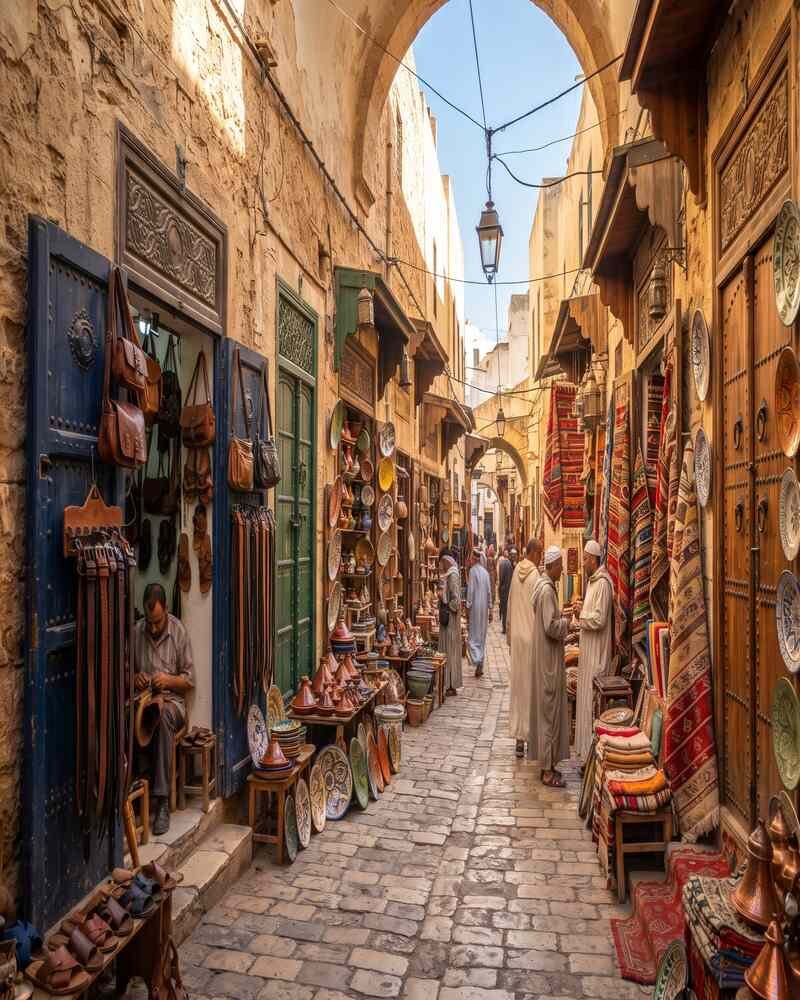
Designated a UNESCO World Heritage Site, the walled Medina preserves over 700 historic monuments, mosques, madrasas, and merchant lodges (fondouks). Specialized covered souks radiate outward from the central mosque, selling perfumes, woven textiles, brass lanterns, and leather slippers. Staying inside a renovated medina townhouse places you at the center of historic life, a core recommendation in every Tunis travel guide.
Ville Nouvelle (Downtown & Avenue Habib Bourguiba)
Stretching eastward from the Bab el Bhar sea gate toward the Lake of Tunis, the 19th- and 20th-century downtown center features wide tree-lined boulevards, grand theaters, the Cathedral of St. Vincent de Paul, and bustling patisseries. This central district serves as the main transport hub for trains, trams, and taxis.
Carthage (Coastal Archaeological Suburb)
Located 15 kilometers northeast of downtown along the Gulf of Tunis, modern Carthage combines upscale diplomatic villas with sprawling Punic and Roman ruins. Rather than one fenced compound, ancient monuments spread across several hillside and waterfront sites connected by quiet residential avenues.
Sidi Bou Said & La Marsa (Northern Cliff & Beach Suburbs)
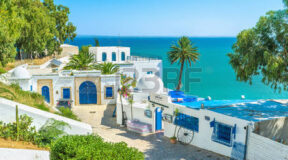
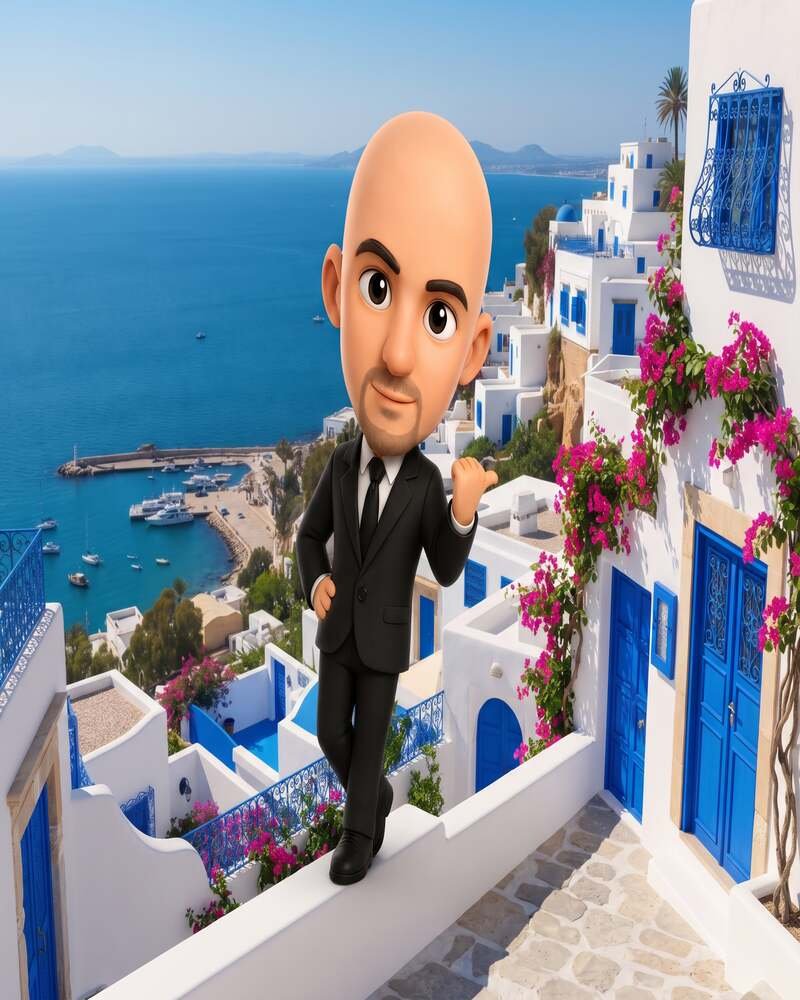
Just beyond Carthage, the clifftop village of Sidi Bou Said dazzles visitors with whitewashed walls, cobalt-blue shutters, and cascading bougainvillea overlooking the marina. Neighboring La Marsa offers a lively sandy beach, palm-lined corniche, and popular seafood restaurants, rounding out the essential zones in this Tunis travel guide.
Top Tourist Attractions & Landmarks
Every curated Tunis travel guide prioritizes these world-renowned historical and architectural landmarks:
Archaeological Site of Carthage
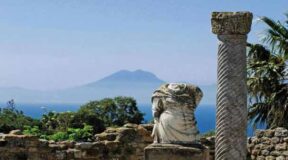
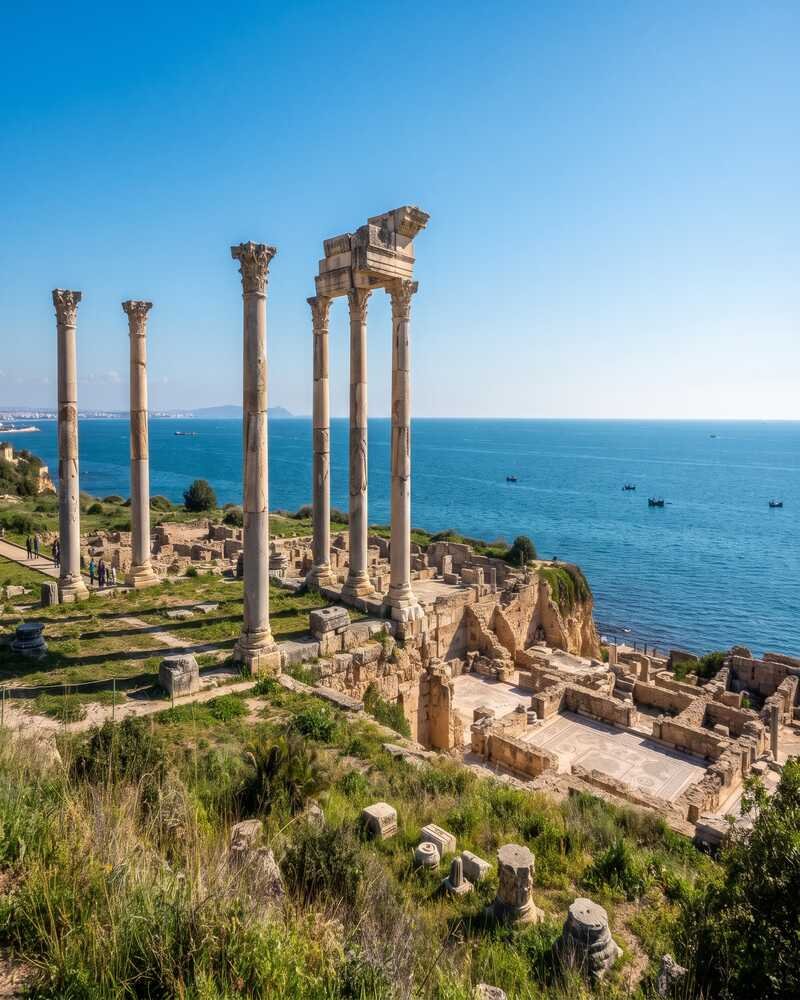
Founded by Phoenician settlers in the 9th century BC, Carthage grew into a dominant Mediterranean maritime empire before falling to Rome in 146 BC. Today, visitors explore the massive seaside vaults of the Antonine Baths, the hillside Byrsa Acropolis, the restored Roman Theater, and the ancient Punic Ports. To bring these layered ruins to life with an expert historian, book a GetYourGuide Tunis Medina, Carthage, and Sidi Bou Said guided day tour.
The Bardo National Museum
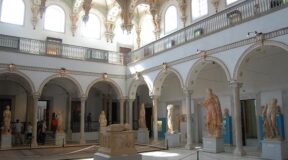
Housed inside a lavish 15th-century Hafsid and Ottoman palace four kilometers west of downtown, the Bardo Museum displays the world's finest and largest collection of Roman mosaics. Vibrant floor panels recovered from villas across Tunisia depict Roman poet Virgil, mythological voyages, and daily agricultural life in astonishing detail.
Al-Zaytuna Mosque (Great Mosque of Zitouna)
Founded in 737 AD at the heart of the Medina, Al-Zaytuna ranks among the oldest continuously operating educational and religious institutions in the Islamic world. Its vast prayer hall rests upon 184 ancient Roman and Byzantine marble columns salvaged from Carthage. Non-Muslim visitors can admire the expansive sunlit courtyard outside prayer times for a modest entry fee, making it a highlight in any Tunis travel guide.
Sidi Bou Said Cliffside Village & Dar El Annabi
Strolling the cobblestone lanes of Sidi Bou Said feels like stepping inside an Impressionist painting—artists like Paul Klee and August Macke once found inspiration here. Stop inside Dar El Annabi, an 18th-century summer mansion showcasing traditional Tunisian interiors, tilework, and rooftop bay views. For seamless private transport across all major landmarks, reserve a GetYourGuide private Carthage and Sidi Bou Said excursion.
Natural Attractions: Bays, Parks & Coastal Vistas
While celebrated primarily for ancient history, Greater Tunis also offers refreshing coastal scenery and green escapes highlighted in this Tunis travel guide:
- Gulf of Tunis & Cap Gammarth Cliffs: Stretching north from La Goulette to Gammarth, dramatic limestone headlands frame sandy coves and sweeping Mediterranean panoramas.
- Belvedere Park: The largest urban park in Tunis covers over 100 hectares of Aleppo pines, olive groves, and walking paths overlooking the northern skyline, housing the historic Qubba pavilion.
- Boukornine National Park: Rising directly across the bay southeast of Tunis near Hammam-Lif, this distinctive two-horned limestone mountain offers scenic hiking trails, Mediterranean flora, and panoramic views back toward Carthage.
Cultural & Historical Highlights
Tunisian culture reflects an enduring dialogue between Amazigh roots, Arab-Islamic scholarship, Andalusian craftsmanship, and Mediterranean trade. When Andalusian artisans settled in Tunis in the 17th century, they enriched the Medina with intricate ceramic zellij tilework, sculpted plaster, and traditional wool chechia hat-making workshops that still operate today.
Exploring the historic medersas (Quranic colleges) such as Medersa Slimania and Medersa Mouradia reveals peaceful courtyards where students studied for centuries. Today, this Tunis travel guide encourages travelers to support living heritage by visiting family-run perfumeries in Souk el-Attarine and brass workshops in Souk el-Nhas.
Best Things to Do & Experiences
An unforgettable visit pairs iconic sightseeing with authentic local rituals. Here are the top experiences recommended in our Tunis travel guide:
-
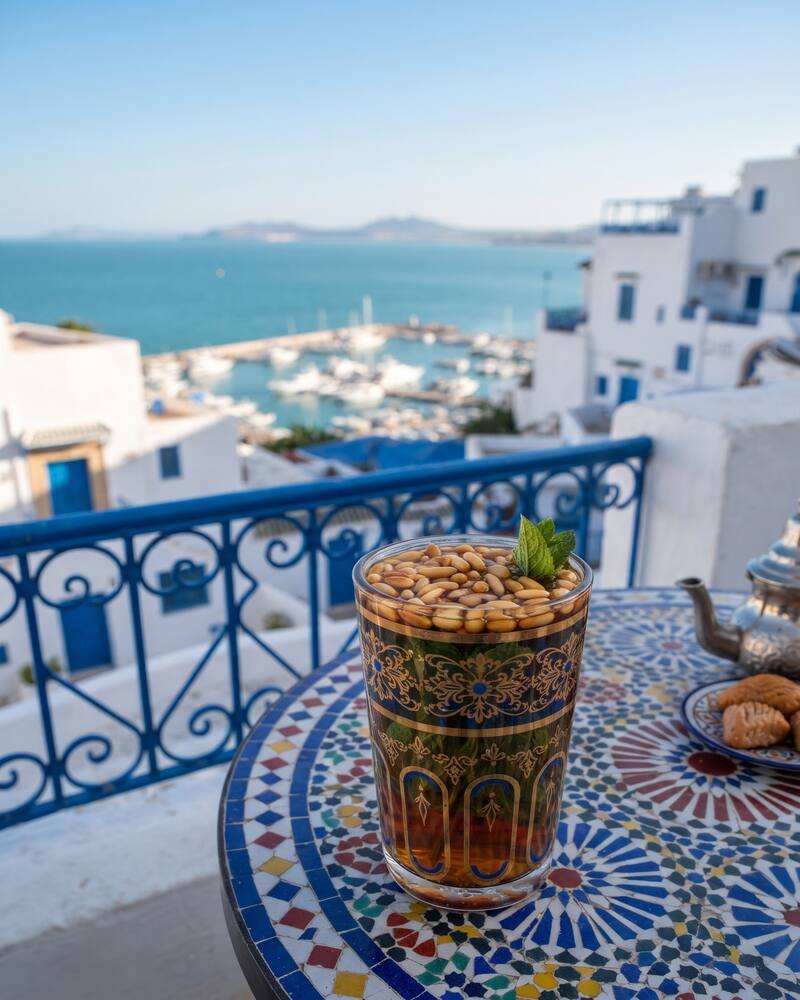
Sip Pine-Nut Mint Tea at Café des Nattes or Café des Délices: Settle onto woven mats or cliffside terraces in Sidi Bou Said with a steaming glass of sweet green tea topped with roasted pine nuts (thé aux pignons).
-
Wander the Specialized Medina Souks: Browse fragrant essential oils in Souk el-Attarine, woven silk and wool textiles in Souk el-Trouk, and handcrafted copperware without aggressive sales pressure.
-
Eat Fresh Grilled Seafood in La Goulette: Head to the historic port district of La Goulette for lunchtime platters of grilled sea bream, calamari, and shrimp served straight off the fishing boats.
-
Visit the North Africa American Cemetery: Located in Carthage, this tranquil, impeccably maintained 27-acre memorial honors nearly 3,000 American service members from World War II, a meaningful stop noted in our Tunis travel guide.
Local Cuisine & Food Culture
Tunisian gastronomy blends fresh Mediterranean seafood, cold-pressed olive oil, and aromatic spices into unforgettable street food and home-style dishes:
-
Bambalouni: Sidi Bou Said's beloved sweet treat—a crispy, airy ring of fried dough dusted generously with granulated sugar and served piping hot from small street windows.
-
Brik à l'Oeuf: Wafer-thin malsouka pastry folded around a whole runny egg, tuna, parsley, and capers, fried until golden and crisp.
-
Fricassé: Savory fried dough rolls stuffed with tuna, boiled egg, diced potatoes, olives, and fiery harissa paste—the ultimate afternoon snack in downtown Tunis.
-
Kafteji: A comforting medley of fried peppers, tomatoes, zucchini, potatoes, and egg chopped together on a flat grill with pumpkin and olive oil, served with crusty baguette.
Best Time to Visit Tunis
Tunis enjoys a classic Mediterranean climate with mild winters and hot, dry summers. Consult this seasonal breakdown in our Tunis travel guide to time your trip:
| Season | Months | Daytime / Nighttime Temps | Best Travel Focus |
| Spring | March – May | 18°C – 25°C (64°F – 77°F) | Blooming bougainvillea, comfortable Carthage & Medina walks |
| Autumn | September – November | 20°C – 28°C (68°F – 82°F) | Warm sea breezes, pleasant sightseeing, lively cafe culture |
| Summer | June – August | 29°C – 35°C (84°F – 95°F) | La Marsa beach clubs, evening marina strolls (tour ruins early) |
| Winter | December – February | 11°C – 17°C (52°F – 63°F) | Uncrowded Bardo Museum & Medina visits, lower hotel rates |
April through May and September through October offer the finest weather for travelers following this Tunis travel guide, combining warm sunshine with comfortable walking temperatures.
Accommodation Options in Tunis
Whether you prefer sleeping inside an 18th-century Medina palace or waking up beside the Mediterranean in Sidi Bou Said, our Tunis travel guide highlights the top stays across every budget:
Luxury Accommodations
-
Dar El Jeld Hotel & Spa (Medina): A stunning restored Ottoman-era mansion tucked inside the Medina, offering opulent suites, rooftop dining overlooking the old city, and a serene hammam spa. Reserve via Agoda.
-
La Villa Bleue (Sidi Bou Said): Perched dramatically on the cliffside above the marina, featuring white-and-blue suites, infinity pools, and sweeping Gulf of Tunis views. Book through Agoda.
-
Four Seasons Hotel Tunis (Gammarth): An upscale beachfront resort set among terraced gardens along the northern coast, delivering spacious rooms, private beach access, and refined dining. Check rates on Agoda.
Mid-Range Accommodations
-
Dar Ben Gacem (Medina): An authentic, award-winning boutique guesthouse inside the Medina showcasing antique ceramic tiles, peaceful courtyards, and homemade breakfasts. Book on Agoda.
-
Dar Said (Sidi Bou Said): A charming 19th-century bourgeois residence converted into an intimate boutique hotel with lush jasmine gardens and bay panoramas. Find rates via Agoda.
-
Hôtel Majestic (Ville Nouvelle): A restored Art Nouveau landmark in central Tunis offering comfortable rooms and walking proximity to Avenue Habib Bourguiba. Reserve via Agoda.
Budget Accommodations
-
El Patio Courtyard House (Medina): A welcoming, budget-conscious guesthouse in the heart of the Medina offering clean private rooms and sunlit rooftop terraces, praised in our Tunis travel guide. Book on Agoda.
-
Hotel Carlton (Ville Nouvelle): Positioned directly on Avenue Habib Bourguiba, providing clean, reliable budget rooms steps from trams and cafes. Reserve via Agoda.
-
Dar El Marsa (La Marsa): A bright, coastal boutique option offering comfortable rooms near the beach and commuter train line. Check availability on Agoda.
Transportation & Getting Around
Navigating Greater Tunis is straightforward and inexpensive thanks to multiple transit options detailed in this Tunis travel guide:
-
Arriving by Air: Tunis-Carthage International Airport (TUN) sits just 8 kilometers northeast of downtown (a 15-to-20-minute taxi ride).
-
TGM Suburban Light Rail: This historic coastal commuter train connects Tunis Marine station downtown directly with La Goulette, Carthage, Sidi Bou Said, and La Marsa for around 1 TND per ride.
-
Yellow Metered Taxis: Abundant and affordable across the city—insist that the driver activates the meter (compteur) when you enter. Ride-hailing apps like Bolt also operate reliably in Tunis.
-
Renting a Car: While you do not need a car inside the Medina, renting a vehicle through DiscoverCars makes onward road trips to Hammamet, Sousse, Dougga, or Djerba effortless. You can also compare intercity trains and transfers via 12Go.
Travel Costs & Budget Planning
Tunis offers remarkable affordability compared to European Mediterranean capitals. Our Tunis travel guide breaks down realistic daily budgets:
-
Budget Travelers ($40 – $65 USD / day): Budget Medina guesthouse or downtown hotel, street snacks like fricassé and bambalouni, TGM light rail tickets, and museum admissions.
-
Mid-Range Travelers ($100 – $180 USD / day): Historic boutique dar with breakfast, sit-down seafood lunches in La Goulette, metered taxis, and a guided half-day Carthage tour.
-
Luxury Travelers ($260+ USD / day): Cliffside suite in Sidi Bou Said or five-star Medina palace hotel, private chauffeured tours, and fine dining.
-
Museum Pass Tip: A single combined ticket purchased at any Carthage monument grants entry to all major Carthage archaeological sites—keep the ticket stub with you as you move between locations, a handy tip in this Tunis travel guide.
Travel Tips & Safety
Tunis is welcoming, relaxed, and safe for solo travelers, couples, and families. Keep these practical pointers from our Tunis travel guide in mind:
-
Plan Around Friday Prayers & Monday Closures: Inside the Medina, many souk shops close between 12:00 PM and 2:00 PM on Fridays for midday prayers. Meanwhile, the Bardo National Museum and several state archaeological sites close on Mondays.
-
Carry Small Tunisian Dinar Bills: Market vendors, TGM ticket booths, and street cafes prefer small notes (5, 10, and 20 TND) and coins rather than large 50 TND bills.
-
Dress Comfortably & Respectfully: Casual resort wear works well in Sidi Bou Said and La Marsa, while covering shoulders and knees shows respect inside the Medina and Al-Zaytuna Mosque courtyard.
-
Stay Hydrated & Wear Walking Shoes: Cobblestone lanes in Sidi Bou Said and uneven Roman stones in Carthage require sturdy, comfortable footwear.
Future Tourism Projects & Sustainable Development
Tunis is actively investing in heritage conservation and urban sustainability to elevate the visitor experience:
-
Medina Boutique Restoration: Local preservation groups are transforming neglected 18th-century townhouses into eco-conscious dars, artisan workshops, and cultural cafes that sustain traditional crafts.
-
Carthage Archaeological Conservation: Ongoing international partnerships are improving visitor signage, shaded walkways, and museum displays across Carthage's coastal sites.
-
Coastal & Public Transit Upgrades: Modernization of the TGM coastal railway and expansion of pedestrian-friendly zones along Avenue Habib Bourguiba continue to make sightseeing cleaner and easier for visitors following this Tunis travel guide.
Strategic Conclusion
Tunis captures the essence of North Africa in a single, unforgettable destination—where ancient Phoenician ports, monumental Roman baths, vibrant medieval souks, and cobalt-blue clifftop villages sit minutes apart. Whether you spend your morning marveling at mosaics in the Bardo Museum or watching sunset over the Gulf of Tunis from Sidi Bou Said, the capital rewards every curious traveler. Use this complete Tunis travel guide to plan your itinerary, continue your journey through our dedicated guides to Djerba, Sousse, and Hammamet, and experience the magic of Tunisia firsthand.
Disclaimer
The information in this travel guide is for general guidance and educational purposes only. Some details and prices may vary depending on the tourist season or local updates from relevant authorities. Therefore, it is always advisable to check official sources and accredited platforms before traveling to ensure the accuracy of information and proper planning of your trip. (Note: This article contains affiliate marketing links, which means we may receive a small commission if you purchase through them, at no additional cost to you whatsoever. This helps us continue to provide high-quality travel content.).