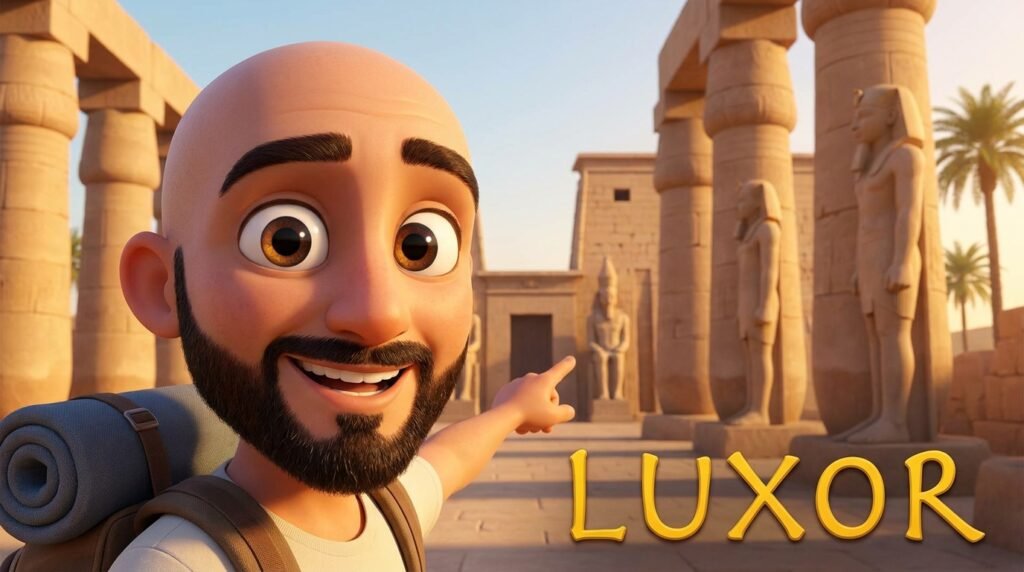
Luxor in Egypt stands as a colossal, breathing monument to human ambition, spiritual mastery, and architectural grandeur. Situated along the banks of the Nile River in Upper Egypt, this legendary destination occupies the site of ancient Thebes, the glorious capital of Egypt during the New Kingdom era. Recognized globally as the world's greatest open-air museum, Luxor contains an astounding concentration of ancient monuments. History lives here not behind glass display cases, but in soaring sandstone columns, deep subterranean royal tombs, and massive carved colossi that have weathered millennia. Travelers seeking an authoritative Luxor travel guide will discover that this city offers an unmatchable journey through living antiquity.
                  +-----------------------------------+
                  |      LUXOR: ANCIENT THEBES        |
                  | The World's Greatest Open-Air Museum |
                  +-----------------------------------+
                                    |
            +-----------------------+-----------------------+
            |                                               |
   EAST BANK (Land of Living)                      WEST BANK (Land of Dead)
   --------------------------                      ------------------------
   * Sun rises over monuments                      * Sun sets behind mountains
   * Temples of Karnak & Luxor                     * Valley of the Kings & Queens
   * Vibrant local souks                           * Temple of Hatshepsut
   * Luxury Nile-side resorts                      * Mortuary temples & tombs
Travelers flock to Luxor because it offers an immersive step back into antiquity that no other destination on Earth can match. As the Nile gently slices through the city, it creates a stark natural and cultural division: the East Bank, representing life and sunrise, and the West Bank, representing the afterlife and sunset. Whether you gaze at vivid 3,000-year-old wall paintings inside a pharaonic tomb or float above the desert landscape in a hot air balloon, Luxor captures the imagination like no other place. This comprehensive Luxor travel guide will help you navigate the magic, history, and modern charms of this timeless Egyptian treasure.
Why Visit Luxor?
Visiting Luxor provides travelers with a direct connection to the golden age of ancient Egyptian civilization. During the New Kingdom period (1550–1070 BCE), ancient Thebes served as the political, religious, and military power hub of the empire. Pharaohs such as Hatshepsut, Seti I, Tutankhamun, and Ramesses II poured massive wealth into constructing monumental religious complexes and elaborate royal tombs. Consequently, Luxor boasts nearly a third of the world's most significant ancient monuments, making any comprehensive Luxor travel guide an essential read for history enthusiasts, cultural travelers, and photographers alike.
Beyond its iconic archaeological heritage, Luxor offers an authentic taste of Upper Egyptian hospitality, traditional Nile culture, and breathtaking landscapes. The contrast between the lush green palm groves along the riverbanks and the dramatic golden limestone cliffs of the Theban hills creates a visual spectacle at every turn. Luxor is also exceptionally accessible compared to other complex historic destinations, offering well-organized tours, world-class river cruises, and vibrant traditional markets. Every turn in Luxor reveals a rich blend of living history and modern cultural charm that every traveler should experience firsthand.
Editor's Recommendation Box
To ensure the best travel experience and save money, we recommend using the following platforms:
✈️ Book flights: Get the best deals via 12go.
🏨 Best hotels prices: From beach resorts to hotels, book via Agoda.
🚗 Car rental: Rent cheap cars and drive in the city via DiscoverCars.
🎟️ Tours and activities: Book a tour of historic sites or tourist attractions via GetYourGuide.
Major Cities & Regions
The Luxor Governorate centers around the city of Luxor itself, but understanding its unique geographic regions will help you plan your itinerary effectively. Any complete Luxor travel guide splits the territory into three clear geographic zones.
-
The East Bank (City Center): The vibrant urban heart of Luxor sits on the east bank of the Nile. Here, modern daily life merges seamlessly with ancient monuments. The East Bank houses the major city center, traditional bazaars, luxury international hotels, authentic local eateries, and two of Egypt's most famous temples: Karnak and Luxor Temple. The picturesque Nile Corniche provides a smooth waterfront promenade ideal for evening walks.
-
The West Bank (The Necropolis): Historically associated with the realm of the dead, the West Bank lies across the river against a backdrop of stark, sun-baked mountains. It is a rural landscape of quiet villages, sugarcane fields, and vast ancient burial grounds, including the Valley of the Kings, the Valley of the Queens, and numerous noble tombs.
-
Nearby Historic Regions (Dendera & Abydos): Located just north of Luxor, these historic towns house remarkable temple complexes. Dendera features the magnificently preserved Temple of Hathor, famous for its vibrant astronomical ceilings, while Abydos is home to the ancient cult temple of Osiris. Both regions make fantastic day trips from Luxor.
Top Tourist Attractions & Landmarks
Luxor features some of the most extraordinary structural wonders from antiquity. You can easily book official entry tickets and skip-the-line guided tours through GetYourGuide. Our Luxor travel guide highlights the non-negotiable sights below.
+---------------------------------------------------------------------------------+
|                         KEY MONUMENTS AT A GLANCE                               |
+--------------------------+-----------------------+------------------------------+
| Landmark                 | Bank / Location       | Architectural Highlight      |
+--------------------------+-----------------------+------------------------------+
| Karnak Temple Complex    | East Bank             | 134 Massive Stone Columns    |
| Valley of the Kings      | West Bank             | 63 Subterranean Royal Tombs  |
| Temple of Hatshepsut     | West Bank             | Terraced Mountain Facade     |
| Luxor Temple             | East Bank             | Avenue of Sphinxes Connection|
| Medinet Habu             | West Bank             | Deeply Carved Relief Walls   |
+--------------------------+-----------------------+------------------------------+
Karnak Temple Complex
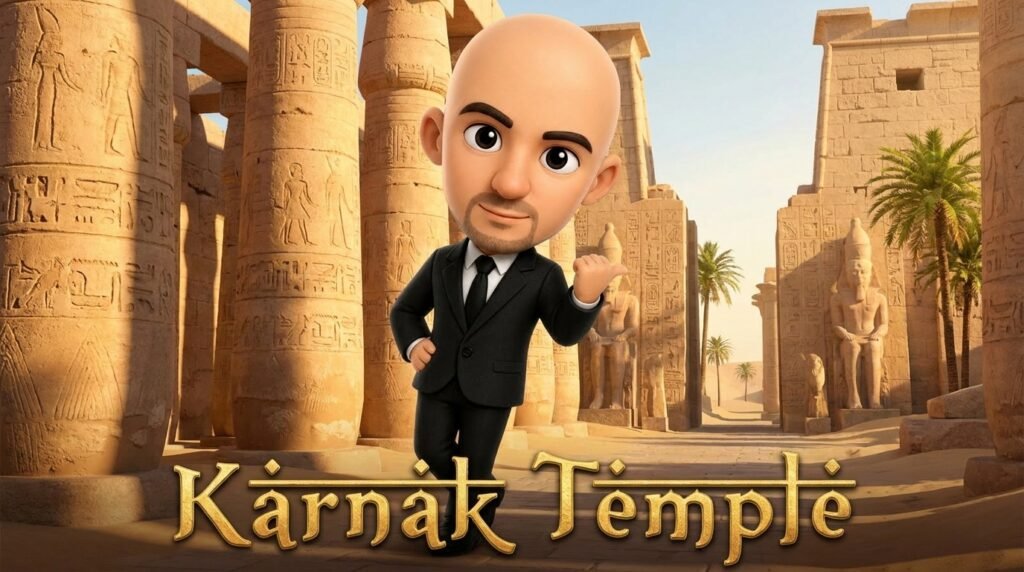
The largest religious complex ever constructed by human hands, Karnak developed over more than 2,000 years as successive pharaohs added their own halls, pylons, and sanctuaries. Dedicated primarily to the god Amun-Ra, Karnak's crowning jewel is the Great Hypostyle Hall. This massive hall contains 134 towering sandstone columns arranged in 16 rows, with the central columns rising over 60 feet high. Walking through this stone forest leaves visitors awestruck by the sheer scale of ancient engineering.
Valley of the Kings
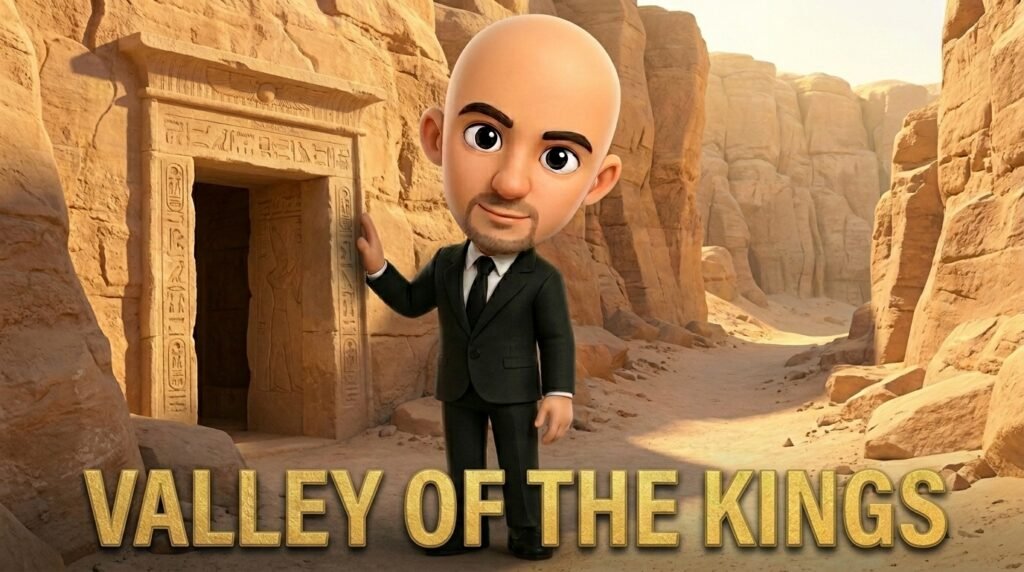
Carved deep into the limestone hills of the West Bank, the Valley of the Kings served as the royal burial ground for Egypt's New Kingdom rulers. Archaeologists have discovered 63 tombs here, including the world-famous burial chamber of King Tutankhamun (KV62) and the breathtaking tomb of Seti I (KV17). The subterranean corridors feature extraordinarily vivid hieroglyphics and religious scenes painted thousands of years ago, retaining remarkable color and detail.
Mortuary Temple of Queen Hatshepsut
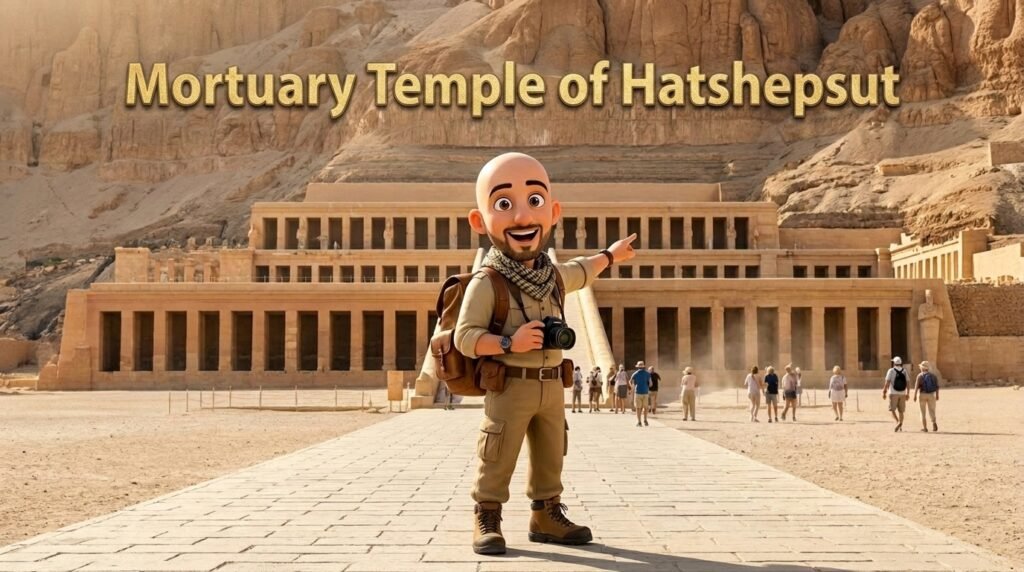
Located at Deir el-Bahri, this architectural masterpiece sits dramatically against towering cliffs. Built for Egypt's most powerful female pharaoh, the temple features three massive, terraced colonnades connected by wide central ramps. The design blends seamlessly into the surrounding desert rock, standing as a tribute to classical balance and harmony.
Luxor Temple & Avenue of Sphinxes
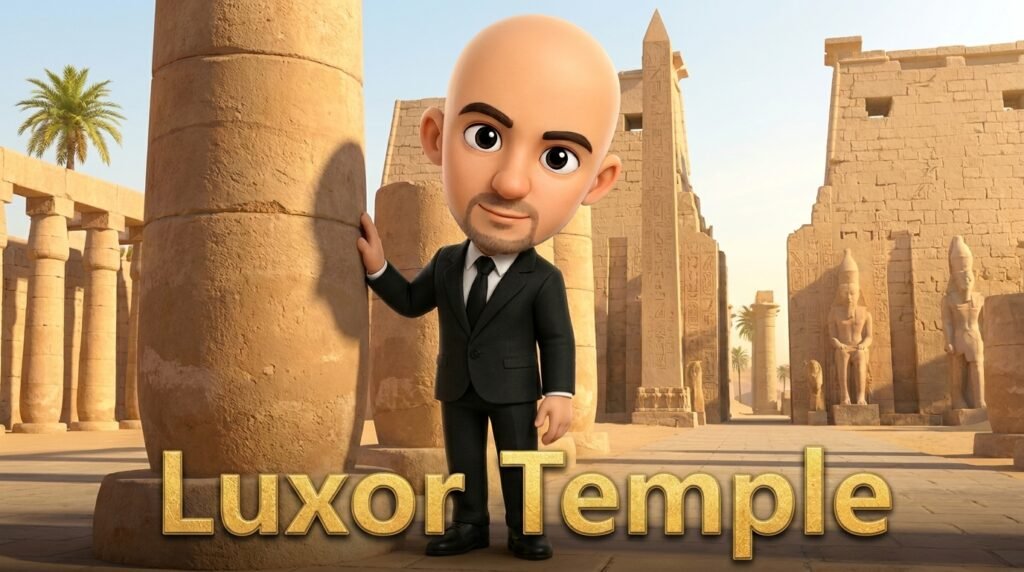
Located directly in downtown Luxor, this temple was constructed primarily by Amenhotep III and Ramesses II. It features massive statues of Ramesses II and towering obelisks at its entryway. The temple connects directly to Karnak via the newly restored Avenue of Sphinxes—a three-kilometer ancient processional boulevard lined with hundreds of carved stone sphinxes.
Medinet Habu
Often overlooked by rushed tour groups, Medinet Habu is the mortuary temple of Ramesses III. It remains one of the best-preserved sites in Luxor, celebrated for its massive defensive gate towers and deep-relief wall carvings depicting battle scenes and ancient ceremonial rites.
Natural Attractions
While famous for stone monuments, Luxor also features dramatic natural environments. The defining natural element is the timeless Nile River. Broad, serene, and framed by lush vegetation, the river creates a vibrant green ribbon that splits the arid desert terrain. Sailing along the Nile at sunset aboard a traditional wooden felucca offers a tranquil view of Upper Egypt's natural rhythm that every practical Luxor travel guide strongly recommends.
Framing the West Bank is the majestic Theban Mountain range, dominated by its peak, Al-Qurn ("The Horn"). This natural pyramid shape is believed to be the primary reason ancient pharaohs chose the valley below for their secret royal tombs. Beyond the fertile banks, the surrounding Eastern and Western Deserts feature rolling sand dunes, rocky canyons, and wide-open desert landscapes ideal for afternoon excursions.
Cultural & Historical Highlights
Luxor represents the absolute zenith of New Kingdom civilization, an era when Egypt expanded its empire, mastered stone architecture, and developed complex religious traditions. The city served as the spiritual center for the Opet Festival—an annual ritual where the statues of Amun, Mut, and Khonsu traveled from Karnak down the Nile to Luxor Temple to renew royal authority and cosmic order.
To appreciate Luxor's rich past, every informative Luxor travel guide suggests exploring two world-class local museums:
-
Luxor Museum: Situated along the Nile Corniche, this museum presents a curated collection of masterworks found in local temples and tombs. The displays feature immaculate lighting, highlighting statues of Amenhotep III, royal mummies, and exquisitely detailed grave goods.
-
Mummification Museum: This specialized museum offers rare insights into ancient Egyptian burial beliefs. It displays preserved mummies of humans and animals alongside tools, embalming fluids, and symbolic amulets used during the mummification process.
Best Things to Do & Experiences
To craft an unforgettable journey, combine historic tours with memorable local activities. Book your activities smoothly using GetYourGuide to lock in top-rated guides. As highlighted throughout this Luxor travel guide, these top experiences will fill your itinerary with magic.
-
Sunrise Hot Air Balloon Flight: Ascend high above the West Bank as the morning sun illuminates the desert cliffs, ancient temples, and green Nile valley. It stands as one of Luxor's iconic experiences.
-
Sunset Felucca Sailing: Rent a traditional wooden boat to cruise the Nile gently as evening lights reflect off the water.
-
Karnak Sound and Light Show: Watch Karnak Temple come alive after dark with dramatic illumination and historical narration detailing the pharaohs' legacies.
-
Exploring the Artisan Village of Deir el-Medina: Walk through the ruins of the ancient village where the builders and artists of the royal tombs lived, complete with their own decorated tombs.
-
Cycling Across the West Bank: Rent a bicycle near the ferry landing and ride through peaceful rural farming villages framed by date palms and ancient ruins.
Local Cuisine & Food Culture
Dining in Luxor is a delightful exploration of traditional Upper Egyptian cooking. Food culture here leans on fresh local produce grown along the fertile banks of the Nile, aromatic spices, legumes, and freshly baked flatbreads (Aesh Baladi). A complete Luxor travel guide must highlight these quintessential dishes:
-
Ful Medames & Ta'ameya: The quintessential Egyptian breakfast. Ful consists of slow-cooked fava beans seasoned with cumin, olive oil, and lemon, while ta'ameya is the Egyptian counterpart to falafel, made with crushed fava beans and fresh herbs for a light, crispy texture.
-
Koshari: Egypt's famous comfort food combines rice, macaroni, lentils, and chickpeas, topped with spicy tomato sauce and crispy fried onions.
-
Tagine (Upper Egyptian Style): Rich meat or vegetable stews cooked slowly in traditional earthenware pots with garlic, onions, and tomato sauce.
-
Fresh Nile Fish: Enjoy tilapia or perch caught fresh from the Nile, seasoned with garlic, coriander, and lemon juice, then grilled or fried.
-
Hibiscus Tea (Karkadeh): Served piping hot or chilled over ice, this deep-red herbal tea made from dried hibiscus flowers is intensely refreshing after a morning in the sun.
Best Time to Visit
Planning your trip around Upper Egypt's climate is essential for an enjoyable experience. As noted in this Luxor travel guide, Luxor experiences a desert climate characterized by scorching summers and mild, pleasant winters.
+---------------------------------------------------------------------------------+
|                         SEASONAL TRAVEL BREAKDOWN                               |
+---------------------+-------------------+---------------------------------------+
| Season              | Temperature Range | Travel Conditions & Advice            |
+---------------------+-------------------+---------------------------------------+
| Peak (Nov - Feb)    | 20°C - 26°C       | Perfect weather, high tourist crowds  |
| Shoulder (Mar, Oct) | 28°C - 34°C       | Warm days, moderate crowds & rates    |
| Low (May - Sep)     | 38°C - 44°C       | Hot days, bargain prices & zero queues|
+---------------------+-------------------+---------------------------------------+
-
Peak Winter Season (November to February): Daytime temperatures average a comfortable 20°C to 26°C, offering ideal conditions for walking through outdoor temple complexes. Nights can drop down to 8°C, so pack a light jacket. This is the busiest tourist period, so book accommodations in advance.
-
Shoulder Seasons (March to April & October): Temperatures are warm but manageable (28°C to 34°C). These months balance pleasant sightseeing weather with smaller crowds.
-
Summer Season (May to September): Temperatures often soar past 40°C during midday. Sightseeing must be done at dawn. However, summer offers deeply discounted luxury hotel rates and empty archaeological sites.
Accommodation Options
Luxor provides a dynamic range of lodging options across both banks of the Nile River. You can compare top deals and secure your stays through Agoda. This Luxor travel guide categorizes top picks across three budget levels.
                      +----------------------------------+
                      |    WHERE TO STAY IN LUXOR        |
                      +----------------------------------+
                                       |
             +-------------------------+-------------------------+
             |                                                   |
     EAST BANK HOTELS                                    WEST BANK HOTELS
   --------------------                                --------------------
   * Steigenberger Nile Palace (Mid)                   * Al Moudira Hotel (Boutique)
   * Sofitel Winter Palace (Luxury)                    * Hotel Sheherazade (Budget)
   * Nefertiti Hotel (Budget)                          * Luxor View Hostel (Budget)
Luxury Accommodations
-
Sofitel Winter Palace Luxor: A historic 19th-century Victorian palace located on the Nile's East Bank. It features opulent gardens, classic grandeur, and historic prestige (Agatha Christie penned Death on the Nile here).
-
Hilton Luxor Resort & Spa: Located on the quieter northern East Bank, offering infinity pools overlooking the Nile, world-class dining, and holistic spa treatments.
-
Al Moudira Hotel: Situated on the West Bank, this boutique palace hotel showcases traditional Arabian architecture, handcrafted tilework, quiet courtyards, and luxury amenities.
Mid-Range Accommodations
-
Steigenberger Nile Palace: A popular East Bank resort hotel featuring spacious Nile-view rooms, multiple restaurants, and attentive service.
-
Iberotel Luxor: Situated along the Nile Corniche, offering great river views, a floating swimming pool, and easy access to local markets.
-
Pavillon Winter Luxor: Located within the lush gardens behind the Sofitel Winter Palace, offering luxury amenities at mid-range pricing.
Budget Accommodations
-
Nefertiti Hotel: Situated near Luxor Temple, famous for its friendly staff, clean rooms, and a rooftop terrace with views of the city.
-
Hotel Sheherazade: A cozy West Bank option surrounded by green farmland, providing a quiet atmosphere close to major monuments.
-
Aracan Eatabe Luxor Hotel: A budget-friendly East Bank property offering easy access to the Nile Corniche and local transport.
Transportation & Getting Around
Navigating Luxor is straightforward, thanks to its well-connected transport networks. Compare flights and transit connections seamlessly on 12go, or rent a private vehicle via DiscoverCars. Our Luxor travel guide breaks down your options below:
-
Arriving by Air, Rail, or Cruise: Luxor International Airport (LXR) connects the city to Cairo and major European destinations. Trains run regularly along the Nile valley from Cairo and Aswan, while luxury river cruises dock right along the East Bank corniche.
-
Crossing the Nile (East Bank to West Bank): The public motorboat ferry operates continuously between the banks for a nominal fee. Private speedboats and traditional feluccas also offer quick river crossings.
-
Taxis & Rideshares: Taxis are widely available on the East Bank. Always negotiate and agree upon the total fare before stepping inside the vehicle.
-
Private Drivers & Rentals: Renting a car through DiscoverCars or hiring a private driver for the day is the most comfortable, stress-free way to explore spread-out West Bank sights.
Travel Costs & Budget Planning
Luxor remains an affordable destination for international travelers, catering to low-cost backpackers and high-end luxury travelers alike. Any pragmatic Luxor travel guide recommends budgeting according to your travel style:
-
Budget Travelers ($30 – $50 USD per day): Stay in budget guesthouses, dine at local koshari and falafel spots, take the public Nile ferry, and focus on general site admission passes.
-
Mid-Range Travelers ($90 – $180 USD per day): Stay in 4-star riverfront hotels, hire private drivers for West Bank excursions, enjoy meals at traditional sit-down restaurants, and include extra tomb entry tickets.
-
Luxury Travelers ($300+ USD per day): Experience historic 5-star heritage hotels, join private expert-led Egyptologist tours, indulge in luxury hot air balloon rides, and embark on high-end Nile cruises.
Travel Tips & Safety
Luxor is a welcoming, safe city with a well-established tourism police force protecting key historic sites and transit hubs. Applying standard travel commonsense derived from our expert Luxor travel guide ensures a smooth trip:
-
Hydration & Sun Protection: Upper Egypt's sun is powerful. Carry a reusable water bottle, wear lightweight breathable fabrics, apply sunscreen, and wear a broad-brimmed hat.
-
Tipping Culture (Baksheesh): Tipping is customary in Egypt. Keep small banknotes handy for bathroom attendants, luggage porters, temple caretakers, and drivers.
-
Respectful Dress Code: While tourist resorts are relaxed, modest dress (covering shoulders and knees) is appreciated when walking through local markets or residential neighborhoods.
-
Managing Touts: Vendors and taxi drivers near major sites can be persistent. A polite, firm "La, Shukran" ("No, thank you") with a smile keeps things peaceful.
Future Tourism Projects & Development
Egypt continues to invest heavily in modernizing its tourism infrastructure to protect historical treasures while enhancing visitor comfort.
                                  +------------------------------------+
                                  |   EGYPT TOURISM INFRASTRUCTURE     |
                                  +------------------------------------+
                                                    |
                         +--------------------------+--------------------------+
                         |                                                     |
             GRAND EGYPTIAN MUSEUM (GEM)                               LUXOR INFRASTRUCTURE
             ---------------------------                               --------------------
             * Fully opened near Pyramids                              * Avenue of Sphinxes restored
             * Houses complete Tutankhamun collection                  * Electric shuttle transport
             * World's largest archaeological complex                  * Eco-friendly West Bank upgrades
The landmark opening of the Grand Egyptian Museum (GEM) near Cairo has elevated the country's historic appeals. While GEM displays famous pharaonic artifacts, Luxor remains the essential living heart of ancient Egypt, where those monuments still stand in their original settings.
Within Luxor itself, ongoing restoration works are uncovering new historical treasures. Future development projects focus on sustainable tourism, including eco-friendly electric shuttles across archaeological zones, enhanced night-lighting systems for temples, and expanded pedestrian spaces along the Nile Corniche. Every updated Luxor travel guide will continue to document these exciting infrastructure enhancements.
Strategic Conclusion
Luxor is more than just a destination; it is an unforgettable trip back through thousands of years of human achievement. Standing beneath the massive columns of Karnak or entering the richly painted tombs of the Valley of the Kings, you feel the lasting legacy of ancient Thebes. By combining majestic monuments, serene Nile views, and warm local hospitality, Luxor promises an enchanting adventure. We hope this comprehensive Luxor travel guide serves as your ultimate resource as you start planning early, select your favorite experiences, and prepare to discover the magic of Upper Egypt!
Disclaimer
The information in this travel guide is for general guidance and educational purposes only. Some details and prices may vary depending on the tourist season or local updates from relevant authorities. Therefore, it is always advisable to check official sources and accredited platforms before traveling to ensure the accuracy of information and proper planning of your trip.
(Note: This article contains affiliate marketing links, which means we may receive a small commission if you purchase through them, at no additional cost to you whatsoever. This helps us continue to provide high-quality travel content.).