A journey through North Africa begins with the intoxicating sensory tapestry of Morocco. this Morocco travel guide will explian to what you need to know from the bustling market squares of imperial capitals to the silent, golden dunes of the Sahara Desert, Morocco bridges traditional Berber heritage with vibrant Mediterranean and Arab influences. Whether you are navigating spice markets, sipping sweet mint tea on rooftop terraces, or traversing rugged mountain passes, having a well-researched Morocco travel guide is crucial for unlocking genuine hospitality while steering clear of tourist pitfalls.
Bookmark this Morocco travel guide before your flight to keep honest local tips readily accessible.
Essential Travel Logistics in this Morocco travel guide
Visas & Entry Regulations
Entering Morocco is straightforward for many international visitors. Citizens of the United States, Canada, the United Kingdom, the European Union, Australia, New Zealand, Japan, and select GCC nations enjoy visa-free entry for tourism stays up to 90 days. Morocco travel guide confirm that your passport must remain valid for at least 6 months past your planned departure date and contain at least one completely blank page for entry and exit stamps.
If your nationality requires a visa, Morocco offers an official electronic visa (eVisa) system designed to eliminate trips to foreign consulates. Processing typically takes between 24 and 72 hours. To avoid third-party markups and fraudulent processing intermediaries, confirm your eligibility and submit your official application directly through the Moroccan Ministry of Foreign Affairs on the official Access Maroc eVisa Portal before booking non-refundable arrangements.
Upon arrival at Moroccan border control, immigration authorities may ask for proof of onward travel (a return flight ticket) and the address of your first night’s accommodation. Keep a printed copy or an offline screenshot of your initial riad or hotel reservation accessible on your phone before reaching the customs counter.
Currency, Payment Methods & ATM Strategy
-
Official Currency: Moroccan Dirham (MAD). It is an officially closed currency, meaning you cannot easily buy large sums of Dirhams outside Morocco, nor can you export significant quantities when departing.
-
Cash Supremacy: While modern hotels, major supermarkets (such as Carrefour and Marjane), and upscale restaurants in Casablanca and Marrakech readily accept credit cards (Visa and Mastercard; American Express is rarely accepted), the overwhelming majority of daily commerce is cash-based. Souk stalls, street food vendors, local taxis, tip recipients, and small riads operate exclusively in cash.
-
ATM Withdrawals: Bank ATMs are widespread across airports, railway stations, and major city boulevards. Look for machines operated by major domestic banks such as Attijariwafa Bank, Banque Populaire, or BMCE Bank. Critical ATM Tip: When the machine asks whether you accept its automated exchange rate (Dynamic Currency Conversion), always select "Debit in Local Currency (MAD)" without conversion. This allows your home bank to calculate the exchange rate, which saves you between 5% and 12% in hidden conversion fees.
-
Exchanging Foreign Cash: If bringing cash, bring pristine, undamaged bank notes in Euros, US Dollars, or British Pounds. Money exchange kiosks in city centers usually provide significantly better rates than airport booths.
SIM Cards & Mobile Connectivity
Morocco travel guide advise not rely exclusively on public Wi-Fi networks in Morocco, which are often weak or unsecured inside thick-walled historic riads. Reliable mobile data is essential for navigating labyrinthine medina alleys using GPS applications:
-
Airport Telecom Kiosks: As you exit baggage claim at Casablanca Mohammed V International Airport (CMN) or Marrakech Menara Airport (RAK), you will find dedicated kiosks for the country's three primary telecom operators: Maroc Telecom, Orange, and Inwi. They frequently hand out complimentary SIM cards where you only pay for the initial data bundle.
-
Network Coverage: Maroc Telecom provides by far the most resilient 4G/5G coverage nationwide, especially when crossing rural mountain roads in the High Atlas or venturing into desert regions around Merzouga. Orange and Inwi are excellent in metropolitan areas and often slightly cheaper.
-
Pricing & Packages: A standard package providing 10 GB to 20 GB of high-speed data plus local calling minutes costs roughly 100 to 200 MAD ($10–$20 USD). Make sure your smartphone is carrier-unlocked before departing home.
Best Time to Visit: Seasonal Insights in Our Morocco Travel Guide
Morocco travel gui features diverse microclimates, ranging from Atlantic and Mediterranean breezes to extreme continental desert heat and snow-capped alpine passes across the High Atlas, as Morocco Travel Guide explian below:
Spring (Mid-March through May) — The Optimal Travel Season
Spring is widely regarded as the most pleasant time to explore Morocco from north to south,
-
Weather Conditions: Daytime temperatures average between 20°C and 26°C (68°F–79°F), with comfortably cool evenings. The countryside is lush, valleys are filled with wildflowers, and mountain hiking trails are clear of winter snowdrifts.
-
Ideal Regions: Perfect for multi-destination grand tours covering Marrakech, Fes, Meknes, and the Sahara desert before summer heat sets in.
Autumn (September through November) — Clear Skies & Moderate Climates
Autumn mirrors the comfortable conditions of spring and represents another prime travel window.
-
Weather Conditions: The intense summer heat subsides across inland plains, leaving warm, sun-drenched afternoons and crisp, starry desert nights. Atlantic waters near Essaouira and Taghazout remain warm enough for water sports and surfing.
-
Ideal Regions: The High Atlas trails, Erg Chebbi sand dunes, and imperial cities.
Winter (December through February) — Crisp Days & Freezing Desert Nights
-
Weather Conditions: Northern Morocco (Tangier, Chefchaouen) experiences seasonal rainfall and chilly days. Mountain roads can experience localized snow closures, particularly at the high-altitude Tizi n'Tichka pass. While daytime temperatures in Marrakech hover around a pleasant 18°C to 20°C, desert temperatures in Merzouga routinely drop to or below freezing (0°C / 32°F) once the sun sets.
-
Packing Advice: Morocco Travel Guide advise you to pack thermal base layers, a fleece jacket, and warm sleepwear if booking traditional riads or standard desert camps, as historic earthen buildings rarely feature central heating systems.
Summer (June through August) — Intense Interior Heat
-
Weather Conditions: Inland cities like Marrakech, Fes, and Zagora regularly record daytime highs between 40°C and 46°C (104°F–115°F), making daytime exploration exhausting.
-
Coastal Sanctuary: If traveling during summer, focus your itinerary along the Atlantic coast—including Essaouira, Taghazout, and Asilah—where coastal winds keep temperatures around 25°C to 28°C.
Editor's Recommendation Box: Essential Booking Platforms
Executing an efficient, stress-free trip across Morocco requires using established, vetted platforms that provide transparent pricing, honest customer reviews, and clear cancellation policies. The booking partners featured in this Morocco travel guide ensure transparent pricing and reliable cancellation policies.:
-
Accommodations (Riads, Kasbahs & Hotels): Reserve verified medina riads, boutique mountain kasbahs, and modern city hotels with transparent user reviews on Agoda.
-
Car Rentals: This Morocco travel guide recommend car rentals, to book well in advance, compare local and international rental fleets with zero hidden excess fees and comprehensive insurance coverage through DiscoverCars.
-
Tours & Desert Glamping: Book skip-the-line monument entries, certified English-speaking city walking guides, and multi-day Sahara excursions via GetYourGuide.
-
Intercity Transit & Logistics: Compare flights, train schedules, private transfers, and long-distance intercity buses smoothly across Morocco using 12Go.
Top Destinations Featured in This Morocco Travel Guide
1. Marrakech: The Red City
Marrakech is the energetic cultural heartbeat of Moroccan tourism, characterized by salmon-pink ramparts, vibrant alleyways, and grand palaces, Therefore every comprehensive Morocco travel guide starts in Marrakech.
-
The Living Theater of Jemaa el-Fnaa: This sprawling UNESCO-recognized square transforms as twilight approaches. Traditional musicians, Gnaoua performers, acrobats, and henna artists gather, while dozens of open-air food stalls grill fresh meats and serve spiced snails. Enjoy the spectacle from a multi-story terrace cafe with a glass of tea.
-
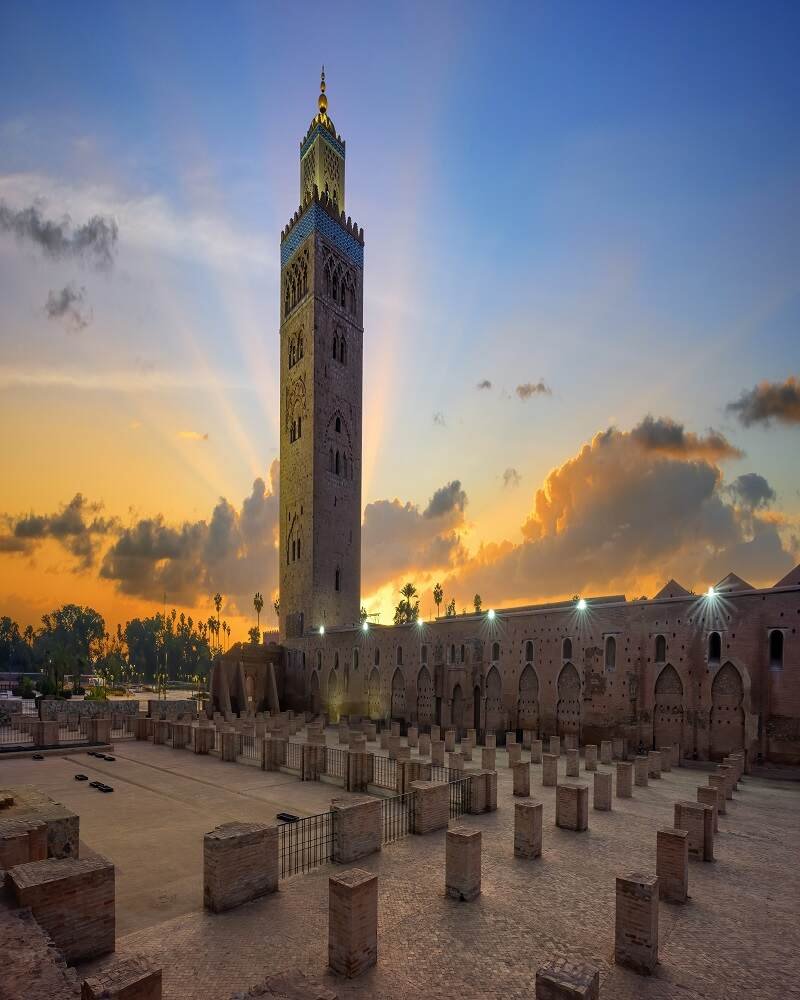
Architectural Marvels: Explore the intricate stuccowork, zellij tiles, and cedarwood carvings of the 16th-century Bahia Palace and the nearby Saadian Tombs. Admire the towering minaret of the 12th-century Koutoubia Mosque, the architectural prototype for the Giralda in Seville.
-
Jardin Majorelle & Yves Saint Laurent Museum: Wander through lush botanical gardens filled with towering cacti, shaded palm groves, and cobalt-blue Art Deco architecture restored by fashion visionary Yves Saint Laurent.
-
Accommodation Strategy: Stay in an authentic medina riad to experience peaceful courtyards tucked behind quiet, nondescript wooden doors. Consult our dedicated Marrakech Travel Guide for full neighborhood breakdowns, riad selections, and day-trip ideas.
2. Fes: The Spiritual & Artisan Epicenter
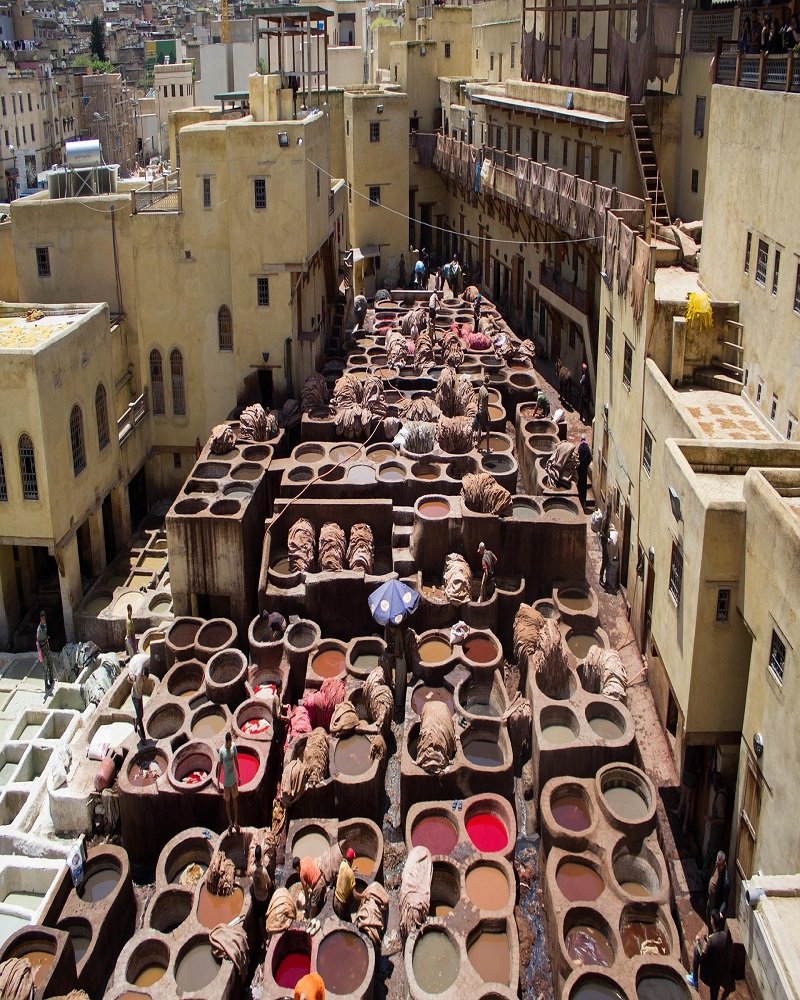
Fes is Morocco's cultural and spiritual core, housing Fes el-Bali, the world’s largest contiguous car-free urban area, comprising over 9,000 winding alleys, Morocco travel guide, advise to navigate Fes el-Bali with comfortable footwear and patience.
-
Chouara Tannery: The iconic symbol of ancient Moroccan craftsmanship. Overlook the massive stone vats from surrounding leather shop terraces, where hides are treated using centuries-old methods with natural pigments like saffron, indigo, and poppy.
-
Intellectual & Religious Landmarks: Walk past the monumental Bab Bou Jeloud (The Blue Gate) and admire the exterior of the University of al-Qarawiyyin, founded in 859 AD by Fatima al-Fihri and recognized by UNESCO as the oldest continually operating university in the world.
-
Medina Exploration Advice: The labyrinthine pathways of Fes el-Bali can challenge even seasoned navigators. Book a certified local guide for your first morning through GetYourGuide to master the layout and discover hidden craft quarters. Read our detailed Fes Travel Guide for specialized walking routes and artisanal shopping tips.
3. Chefchaouen: The Blue Pearl of the Rif Mountains
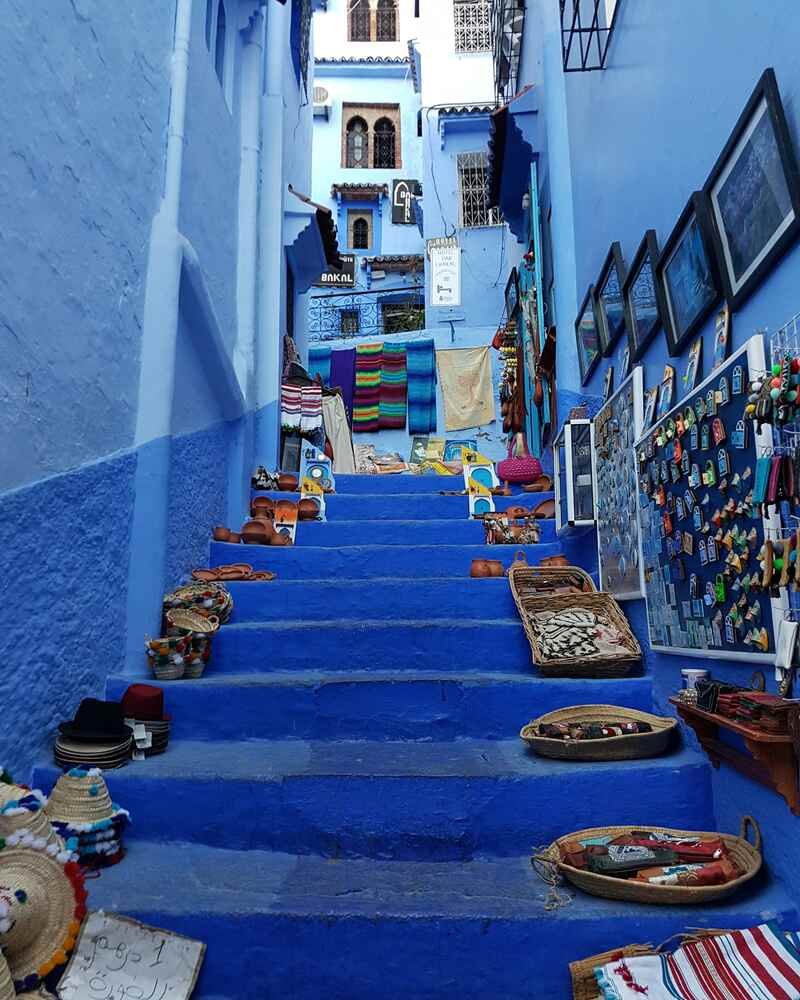
Nestled beneath the dramatic peaks of the Rif Mountains, Chefchaouen is world-famous, must be a popular visual highlight in any modern Morocco travel guide for its blue-washed facades, quiet stone stairways, and relaxed mountain pace.
-
Vibrant Medina Alleys: Established in the 15th century by Andalusian and Jewish refugees, the town’s iconic blue pigmentation creates a photogenic streetscape. Walk the tranquil residential quarters of Al-Andalus and Outa el-Hammam.
-
Ras El Maa & Spanish Mosque: Relax by the fresh mountain spring of Ras El Maa, where local women still wash carpets in cool water. From there, take an easy 20-minute uphill path to the abandoned Spanish Mosque to watch the sunset cast a golden glow across the blue valley.
-
Relaxed Mountain Culture: Chefchaouen is significantly calmer than Marrakech or Fes, with minimal vendor pressure. It serves as an ideal retreat between northern coastal hubs and inland imperial capitals. Plan your photography itinerary using our complete Chefchaouen Travel Guide.
4. Merzouga & Erg Chebbi: The Great Sahara Desert
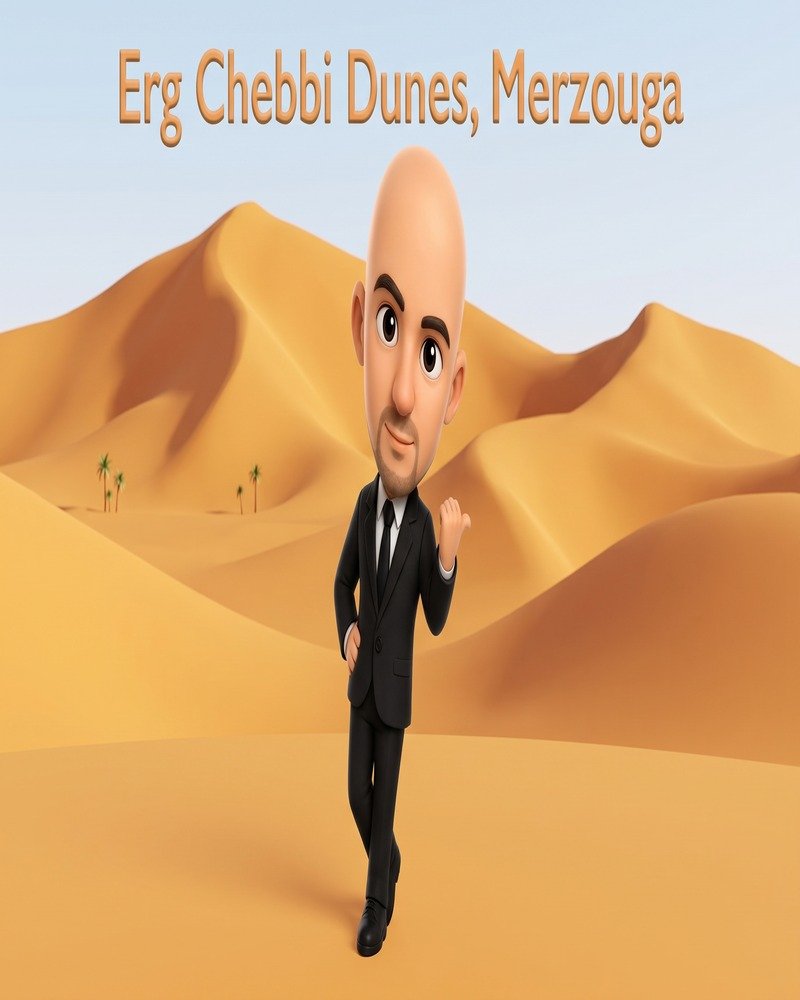
No Moroccan journey is complete without venturing into the golden dunes of the Sahara Desert, our Morocco travel guide will list some of adventures most travelers request:
-
Erg Chebbi Dunes: Rising up to 150 meters high near the Algerian border, these reddish-orange sand dunes provide an awe-inspiring desert landscape. Base yourself around the desert outpost of Merzouga.
-
Camel Treks & Desert Glamping: Mount a camel caravan in the late afternoon to cross the silent ridges as the sands shift color from ochre to fiery crimson. Spend the night at a traditional Berber desert camp, enjoying hot tagines, live drumming around a campfire, and clear stargazing under unpolluted skies.
-
Desert Transport Logistics: Modern desert glamping offers running hot water, private en-suite flush toilets, and electric lighting. Review our comprehensive Merzouga Travel Guide for desert packing lists, multi-day transport options, and camp selection advice.
5. Casablanca: Coastal Modernity & Historic Monumentality
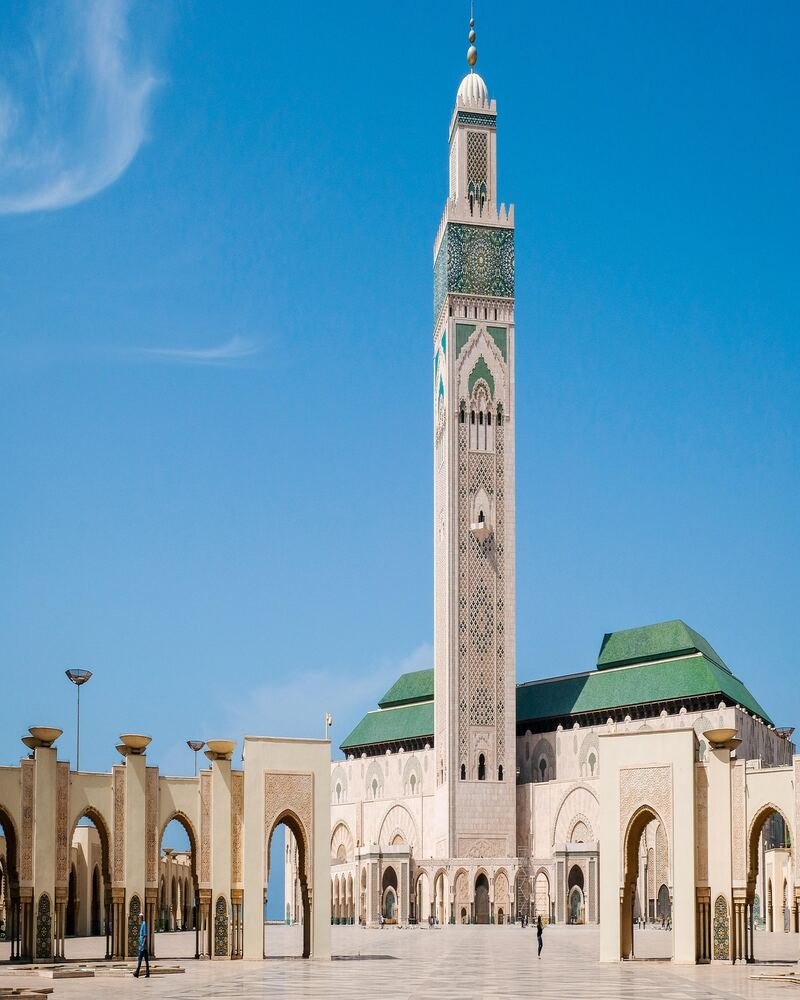
Accourding to Morocco travel guide it is the largest metropolis is an economic engine that blends French colonial Mauresque architecture with modern avenues:
-
The Monumental Hassan II Mosque: One of the few functioning mosques in Morocco open to non-Muslim visitors on guided tours. Completed in 1993, this architectural masterpiece sits on a rocky platform over the Atlantic Ocean. It features a 210-meter minaret, heated marble floors, retractable roofs, and intricate hand-carved cedar and plasterwork that accommodated over 100,000 worshippers during peak holidays.
-
Transit Hub & Coastal Strolls: While Casablanca lacks the medieval atmosphere of Fes or Marrakech, it serves as the nation's primary international aviation gateway and the terminus for the Al Boraq bullet train. Review our practical Casablanca Travel Guide for airport transit guidance and short layover itineraries.
6. Essaouira: The Atlantic Wind Haven
Located less than three hours west of Marrakech, Essaouira is a fortified coastal town known for its whitewashed stone houses, blue wooden fishing boats, and Atlantic breezes.
-
Historic Ramparts & Port: Stroll along the Skala de la Ville, 18th-century sea ramparts mounted with bronze cannons that once protected the harbor from naval attacks (and served as a filming location for Game of Thrones).
-
Seafood & Water Sports: Pick your lunch directly from open-air fish stalls at the port, where fishermen grill the morning catch of sardines, sea bass, and calamari over open coals. Its steady coastal trade winds make it an international destination for windsurfing and kitesurfing.
Curated Itineraries: Realistic Route Options in Our Morocco Travel Guide
Planning transit times between destinations is essential to avoid spending your entire trip inside vehicles:
[Marrakech] ---> [High Atlas & Aït Benhaddou] ---> [Dades / Todra] ---> [Merzouga Dunes]
                                                                              |
[Casablanca / Tangier] <--- [Chefchaouen] <--- [Fes el-Bali] <----------------+
Classic 7-Day "Imperial Cities & Desert Express"
This 7-day express route in our Morocco travel guide covers imperial cities and the Sahara.
-
Day 1: Arrival in Marrakech. Settle into your medina riad. Evening exploration of Jemaa el-Fnaa square and dinner overlooking the street performers.
-
Day 2: Cultural Marrakech. Morning visit to Bahia Palace, Saadian Tombs, and Koutoubia gardens. Afternoon in the colorful lanes of Souk Semmarine.
-
Day 3: Marrakech to Dades Valley via Aït Benhaddou. Cross the High Atlas Mountains over the Tizi n'Tichka pass (2,260 m). Tour the UNESCO-listed earthen ksar of Aït Benhaddou, the backdrop for movies like Gladiator and Lawrence of Arabia. Continue past Ouarzazate to sleep among the rose fields of Dades Valley.
-
Day 4: Dades Valley to Merzouga (Sahara Desert). Drive through the towering limestone cliffs of Todra Gorge. Arrive in Merzouga by late afternoon to mount camels for your trek into the Erg Chebbi desert camp. Overnight under the desert stars.
-
Day 5: Merzouga to Fes. Early morning desert sunrise walk over the dunes. Depart north through the palm-filled Ziz Valley, crossing the Middle Atlas cedar forests near Azrou (spot wild Barbary macaque monkeys). Arrive in Fes by evening.
-
Day 6: Full Day in Fes el-Bali. Guided walking tour through Chouara Tannery, Bab Bou Jeloud, Al-Attarine Madrasa, and local craft souks.
-
Day 7: Fes to Casablanca & Departure. Take the morning ONCF train to Casablanca Mohammed V Airport for your return flight.
Comprehensive 10-Day "Grand Morocco Discovery"
The 10-day grand tour featured in this Morocco travel guide allows a relaxed, unhurried pace.
-
Days 1–3: Marrakech & Coastal Essaouira. Two full days exploring Marrakech’s palaces, museums, and hidden gardens. Take a relaxing day trip on Day 3 to the coastal ramparts and fish markets of Essaouira before returning to Marrakech.
-
Days 4–6: The South, Kasbahs & Desert Immersion. Travel over the Atlas Mountains to Aït Benhaddou, visit the desert cinema studios in Ouarzazate, hike Todra Gorge, and enjoy a two-night stay exploring the dunes, nomadic communities, and desert tracks of Merzouga.
-
Days 7–8: The Spiritual Heart of Fes. Detailed exploration of Fes el-Bali, panoramic views from the Marinid Tombs, and pottery workshops outside the city walls.
-
Day 9: The Blue Pearl of Chefchaouen. Morning transfer north into the Rif Mountains. Spend the afternoon photographing the blue alleys, sipping fresh orange juice by Ras El Maa, and hiking to the Spanish Mosque for sunset.
-
Day 10: Chefchaouen to Tangier or Casablanca. Board the Al Boraq high-speed train for a rapid journey down to Casablanca, explore the exterior of Hassan II Mosque, and transfer to the airport.
Transportation & Getting Around: The Morocco Travel Guide Transit Manual
Morocco travel guide features some of the most reliable and modern travel infrastructure in Africa:
1. High-Speed & Regional Trains (ONCF & Al Boraq)
Morocco's national railway company (ONCF) operates clean, punctual, and affordable trains:
-
The Al Boraq Bullet Train: Africa's premier high-speed rail line connects Tangier to Casablanca via Kenitra and Rabat. Morocco travel guide to use Al Boraq high-speed train to travel from Tangier to Casablanca seamlessly. It covers the distance in just 2 hours and 10 minutes at speeds up to 320 km/h (200 mph).
-
Conventional Rail: Reliable lines link Casablanca, Marrakech, Fes, and Meknes. First-class carriages offer reserved individual seating, air conditioning, and power outlets for a slight price premium over second-class. Check schedules and secure your tickets in advance.
2. Renting a Car & Self-Driving
Renting a car provides flexibility for exploring scenic routes, like the High Atlas mountain passes, the Dadès Valley, and the Draa Valley:
-
Road Conditions: Major national highways (Autoroutes) connecting Tangier, Rabat, Casablanca, Marrakech, and Agadir are well-paved, modern toll roads. Rural mountain passes are paved but wind along steep drops, requiring attentive driving.
-
Police Checkpoints: You will encounter routine police checkpoints (Gendarmerie Royale) at the entry and exit of every major town. Our Morocco travel guide emphasize watching for Gendarmerie checkpoints. Always come to a complete stop at the stop sign, wait for the officer to wave you forward, maintain your seatbelt, and keep your passport, driving license, and rental agreement ready.
-
Car Booking: Compare rental rates across international and local suppliers through DiscoverCars to secure inclusive insurance with transparent excess terms.
3. Long-Distance Buses (CTM & Supratours)
For routes not serviced by train—such as reaching Chefchaouen, Essaouira, or Merzouga—long-distance coaches are dependable:
-
CTM: Morocco's primary national bus company offers modern air-conditioned coaches, luggage tagging, and advance seat reservations.
-
Supratours: Operated directly by the railway company ONCF, these buses sync with train arrival times at major hub stations like Marrakech to carry passengers onward to Essaouira and desert outposts.
4. Urban Taxis: Petits Taxis vs. Grands Taxis
-
Petits Taxis: Small hatchbacks licensed strictly for travel within specific city boundaries. They carry up to 3 passengers. Each city has a distinct color (Red in Marrakech, Yellow in Fes, Blue in Rabat). Crucial Rule: Always insist that the driver turn on the meter (compteur) upon entering. If they refuse and quote an inflated flat rate, politely exit and hail another cab.
-
Grands Taxis: Larger sedans or minivans (typically white or silver Mercedes or Dacias) operating fixed intercity and suburban shared routes. They depart once all six passenger seats are filled, or you can pay for the remaining seats to hire the entire car privately.
Daily Travel Costs & Budgeting in This Morocco Travel Guide
Our Morocco travel guide Advise that cash remains vital across souks. Morocco accommodates a wide spectrum of travel styles, from budget backpackers to ultra-luxury resort travelers:
Tipping Customs (Baksheesh)
Morocco travel guide confirms tipping is an integral part of Moroccan service culture:
-
Cafes & Casual Dining: Round up the bill or leave 2 to 5 MAD.
-
Sit-Down Restaurants: Leave between 7% and 10% of the total bill if service was attentive.
-
Luggage Handlers & Porters: 10 to 20 MAD for assisting with heavy luggage through pedestrianized medinas to your riad door.
-
Tour Guides & Drivers: 100 to 150 MAD per day for a knowledgeable private driver, and 50 to 100 MAD for a half-day private city guide.
Cultural Etiquette, Safety & Common Scams to Avoid
Morocco is an open, welcoming country that receives millions of visitors annually, but it remains socially and religiously conservative. This Morocco travel guide will explian some cultural tips to help you politely bypass faux guides and inflated prices:
1. Modesty & Dress Codes
-
While tourist centers like Marrakech, modern Casablanca, and beach resorts are accustomed to Western clothing, dressing modestly demonstrates respect, especially when visiting rural communities, historic medinas, and religious heritage sites.
-
As a general guideline for both men and women, keeping shoulders and knees covered prevents unwanted stares and makes everyday interactions with locals warmer and more natural.
-
Light, loose-fitting cotton or linen clothing, long trousers, maxi dresses, and light scarves are ideal for warm daytime weather.
2. The Art of Souk Bargaining
-
In Moroccan souks, bargaining is not an argument; it is a social custom conducted over banter and tea.
-
Most non-food items (leather bags, handmade carpets, lanterns, spices, ceramics) do not have fixed prices. As a rule of thumb, offer 40% to 50% below the seller's initial quote, then work cordially toward a middle ground.
-
Always maintain a friendly smile. If a vendor will not meet your price, politely say "La, Shukran" (No, thank you) and walk away. There is a strong chance you will find a similar item in another stall down the street.
3. Common Scams & How to Handle Them
-
The "Alley is Closed" (C'est Fermé) Trick: While wandering through the medinas of Fes or Marrakech, young men may tell you that a street is closed, that today is a special festival, or that the route to your hotel is impassable, offering to guide you "the right way." This often leads to an expensive leather shop or a confusing alley where they demand a tip. Morocco travel guide recommend to politely ignore them, consult your offline maps, and continue walking.
-
Unofficial Medina "Guides": Always ensure that anyone offering guided historical services holds an official badge hanging around their neck. Unofficial street guides risk hefty fines from the tourist police (Brigade Touristique) and will take you to shops where they earn commissions. Book verified, licensed guides through GetYourGuide.
-
The "Free" Henna or Animal Photos in Jemaa el-Fnaa: Women holding henna syringes may grab your hand and begin applying designs without quoting a price, demanding hundreds of Dirhams afterward. Similarly, performers with Barbary macaques or snakes will place animals on your shoulder for unsolicited photos. If you are not interested, keep your hands tucked in your pockets and maintain a firm stride.
-
Tannery Observation Traps: Shopkeepers bordering tanneries in Fes will offer you a sprig of fresh mint to mask the smell and welcome you to their terrace for "free viewing." Be aware that once you step down, they will expect either an aggressive purchase of leather goods or a cash tip for viewing.
Authentic Moroccan Cuisine You Must Try
Moroccan gastronomy is celebrated for slow-cooking techniques and layered spices, balancing savory, sweet, and tangy flavors:
-
Tagine: The cornerstone of Moroccan home cooking. Meat (beef, lamb, or chicken) is stewed slowly with vegetables, olives, preserved lemons, or dried fruits (prunes and apricots) inside a shallow ceramic dish with a conical lid over charcoal embers. Tear off pieces of crusty khobz (Moroccan flatbread) with your right hand to scoop the meat and sauce directly from the dish.
-
Couscous: Hand-rolled steamed semolina grains served under a mound of tender stewed beef or chicken and seven seasonal vegetables (zucchini, carrots, pumpkin, turnips, cabbage, chickpeas, and onions). Traditionally prepared on Fridays following midday prayers, it is a communal meal meant for sharing.
-
Pastilla (Bastilla): A classic delicacy from Fes that balances sweet and savory flavors. Thin layers of crisp, buttery warka pastry are stuffed with shredded pigeon or chicken cooked in spices and almonds, baked to a golden crisp, and dusted with powdered sugar and ground cinnamon.
-
Harira: A hearty, velvet-smooth soup made from tomatoes, lentils, chickpeas, fresh herbs (coriander and parsley), and small cuts of meat, spiced with ginger and turmeric. It is the traditional dish used to break the daily fast during the holy month of Ramadan, typically accompanied by sweet honeyed sesame pastries called chebakia.
-
Moroccan Mint Tea ("Berber Whiskey"): High-quality gunpowder green tea steeped with fresh spearmint leaves (naana) and sweetened with generous sugar cubes. It is poured from a height of at least two feet above the glasses to create a thin layer of foam (regga) on top. Refusing a glass of tea when welcomed into a shop or home is considered a missed social connection.
Final Trip Planning Checklist
To ensure your journey runs smoothly from start to finish, Morocco travel guide recommend to complete these essential steps before departure:
-
[ ] Check passport expiration dates (must have a minimum of 6 months validity remaining).
-
[ ] Verify visa status and apply for your electronic visa via the official Access Maroc eVisa Portal if required.
-
[ ] Reserve authentic medina riads and boutique hotels on Agoda at least 2 to 3 months ahead for peak spring and autumn travel.
-
[ ] Book Sahara desert glamping excursions and skip-the-line monument entries through GetYourGuide.
-
[ ] Arrange your car rental with complete zero-excess coverage via DiscoverCars. or book your cross-country train journeys on 12Go.
-
[ ] Notify your domestic banks and credit card providers of your upcoming travel dates to Morocco to avoid security blocks on foreign ATM withdrawals.
-
[ ] Download offline digital navigation maps (such as Maps.me or Google Maps offline areas) for Marrakech, Fes, and Chefchaouen to navigate medina alleyways without a mobile connection.
Conclusion: Crafting Your Moroccan Adventure
Morocco is an uncommon destination that meets the expectations set by travel photography. It offers an intoxicating blend of centuries-old traditions, diverse geography, and warm hospitality. By using this Morocco travel guide to anchor your planning—balancing ancient medina walks with quiet desert dunes, reserving verified stays on Agoda, and booking transport early via DiscoverCars or 12Go—you can explore the country with confidence, safety, and comfort. Take your time, embrace the rhythm of medina life, and prepare for a journey that stays with you long after you return home.
We hope this Morocco travel guide empowers you to travel with confidence, curiosity, and cultural respect.
Disclaimer & Affiliate Disclosure
This guide contains affiliate links. If you book tours, car rentals, train tickets, or hotels through these links, we may earn a modest commission at no extra cost to you. We exclusively recommend verified services and reputable platforms that keep your journey seamless and secure.