Types of Tourism
Few destinations on earth stir the imagination quite like Egypt. From the colossal pyramids rising out of the Giza sands to the vibrant marine reefs beneath the Red Sea and the timeless currents of the Nile River, this North African nation offers a sensory experience unlike anywhere else.
Whether you are embarking on your first trip to the Middle East and North Africa or returning to dive deeper into its desert oases and ancient temples, navigating Egypt requires thoughtful preparation. This comprehensive Egypt travel guide provides practical logistics, cultural nuances, regional breakdowns, and field-tested advice to ensure a seamless, bucket-list adventure.
💡 Editor's Recommendation Box
(To ensure the best travel experience and save money, we recommend using the following platforms:)
-
✈️ Book flights & transport: Get the best regional deals and routes via 12go.
-
🏨 Best hotel prices: From luxury Nile view rooms to Red Sea beach resorts, book via Agoda.
-
🚗 Car rental & transfers: Rent cheap cars and arrange private airport transfers via DiscoverCars.
-
🎟️ Tours & activities: Book skip-the-line tickets for the Pyramids, historic temples, and day trips via GetYourGuide.
Essential Travel Logistics: Visas, Currency, and Connectivity
Entering Egypt and managing daily transactions is straightforward once you understand the basic regulatory and financial systems.
Visa Requirements for US, Canadian, and International Visitors
Most international travelers—including passport holders from the United States, Canada, the European Union, the United Kingdom, Australia, and New Zealand—require an entry visa to visit Egypt.
-
Egypt eVisa Portal: The most reliable method is applying online through the official Egyptian government eVisa portal at least 7 to 10 days before departure. A single-entry 30-day tourist eVisa costs $25 USD, while a multiple-entry visa costs $60 USD.
-
Visa on Arrival (VoA): Eligible nationalities can also purchase a tourist visa upon landing at major international entry hubs like Cairo International Airport (CAI), Hurghada International Airport (HRG), and Sharm El Sheikh International Airport (SSH). You must pay the $25 USD fee in crisp, undamaged cash (USD or EUR preferred) at the official bank kiosks located immediately before passport control.
-
South Sinai Free Entry Stamp: If you are flying directly into Sharm El Sheikh, Dahab, or Taba and plan to stay strictly within the Gulf of Aqaba coast for under 15 days, you may qualify for the free South Sinai Resort Visa stamp. However, if you plan to visit Cairo, Luxor, or dive outside local zones (such as the Ras Mohammed marine reserve), you must acquire the standard 30-day Egypt tourist visa.
Money, Cash Economy, and Tipping (Baksheesh)
Egypt operates primarily on cash, denominated in Egyptian Pounds (EGP). While upscale hotels, international flight desks, and premier Nile cruise operators accept major international credit cards, day-to-day purchases require paper currency.
-
ATMs & Card Usage: ATMs are widely available across major cities, airport terminals, and bank branches. Visa and Mastercard work reliably. Always choose to be billed in the local currency (EGP) at ATMs to avoid aggressive dynamic currency conversion (DCC) markups.
-
Cash Readiness: Always carry small notes (5, 10, 20, 50, and 100 EGP). Street vendors, taxi drivers, public restrooms, and small cafés rarely have change for large 200 EGP notes.
-
The Culture of Baksheesh: Tipping (known locally as baksheesh) is an integral part of Egyptian service culture rather than an optional bonus. Keep a dedicated pocket of small notes to tip temple caretakers, luggage porters (20–50 EGP per bag), restaurant waitstaff (10–12% even if a service charge is included on the bill), and private drivers or day guides (150–300 EGP per day).
Mobile Connectivity & Local SIM Cards
Reliable mobile data is essential for hailing rides via Uber or Careem, checking prayer times, and translating menus. Avoid high international roaming fees by purchasing a physical SIM card or setting up an eSIM upon arrival.
-
Airport Kiosks: At Cairo International Airport (CAI), right after baggage claim, you will find 24/7 service counters for the four major telecom providers: Vodafone Egypt, Orange, Etisalat, and WE.
-
Provider Comparison: Vodafone and Orange typically provide the widest coverage across both metropolitan Cairo and remote regions like the Sinai Peninsula and the Western Desert. Packages offering 15 GB to 30 GB of high-speed data usually cost between $10 and $18 USD. Ensure your phone is network-unlocked before leaving home.
Best Time to Visit Egypt: Seasons and Climate
Egypt features an arid, subtropical desert climate characterized by hot, sunny summers and mild, comfortable winters. Because walking through open-air archaeological sites requires hours under the sun, timing your visit dictates your comfort level.
Top Destinations to Include in Your Egypt Itinerary
To build a well-rounded travel experience, balance ancient historical landmarks along the Nile corridor with relaxing coastal retreats along the Red Sea.
1. Cairo: The Pulsing Capital
Cairo is a sprawling, energetic metropolis where centuries of history intersect with modern urban life. Most international flights arrive here, making it the natural starting point for your journey.
-
The Giza Plateau: Home to the Great Pyramid of Khufu, Khafre, Menkaure, and the Great Sphinx. Arrive early in the morning (around 7:30 AM to 8:00 AM) to tour the plateau before tour buses arrive and desert temperatures climb.
-
The Grand Egyptian Museum (GEM) & Egyptian Museum in Tahrir Square: While the iconic, neoclassical Egyptian Museum on Tahrir Square still houses historic antiquities, the state-of-the-art GEM near Giza serves as the premier exhibition space for the complete Tutankhamun collection and massive statuary.
-
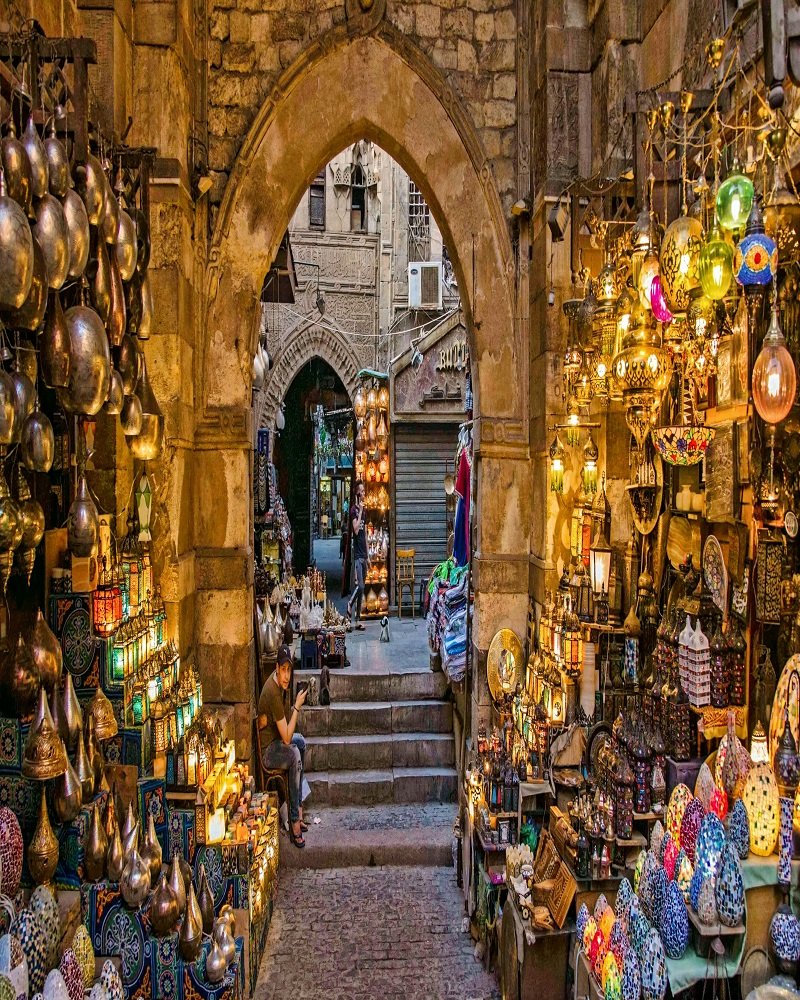
Historic & Islamic Cairo: Wander through the narrow alleys of Khan el-Khalili, one of the oldest open-air bazaars in the Middle East, and visit the towering Citadel of Saladin and the Mosque of Muhammad Ali for panoramic views across the city skyline.
2. Alexandria: The Mediterranean Pearl
Situated along the northern Mediterranean coast, Alexandria offers a cooler, breezy contrast to Cairo's desert heat. Founded by Alexander the Great in 331 BCE, it blends classical Greco-Roman heritage with early 20th-century European charm.
-
Bibliotheca Alexandrina: A modern architectural wonder that honors the ancient Library of Alexandria, housing extensive museums, manuscripts, and art galleries.
-
Citadel of Qaitbay: A 15th-century defensive fortress built directly on the Mediterranean harbor atop the ruins of the ancient Pharos Lighthouse.
-
Catacombs of Kom El Shoqafa: A subterranean burial complex that fuses Roman, Greek, and ancient Egyptian iconography into carved rock chambers.
3. Luxor: The World’s Greatest Open-Air Museum
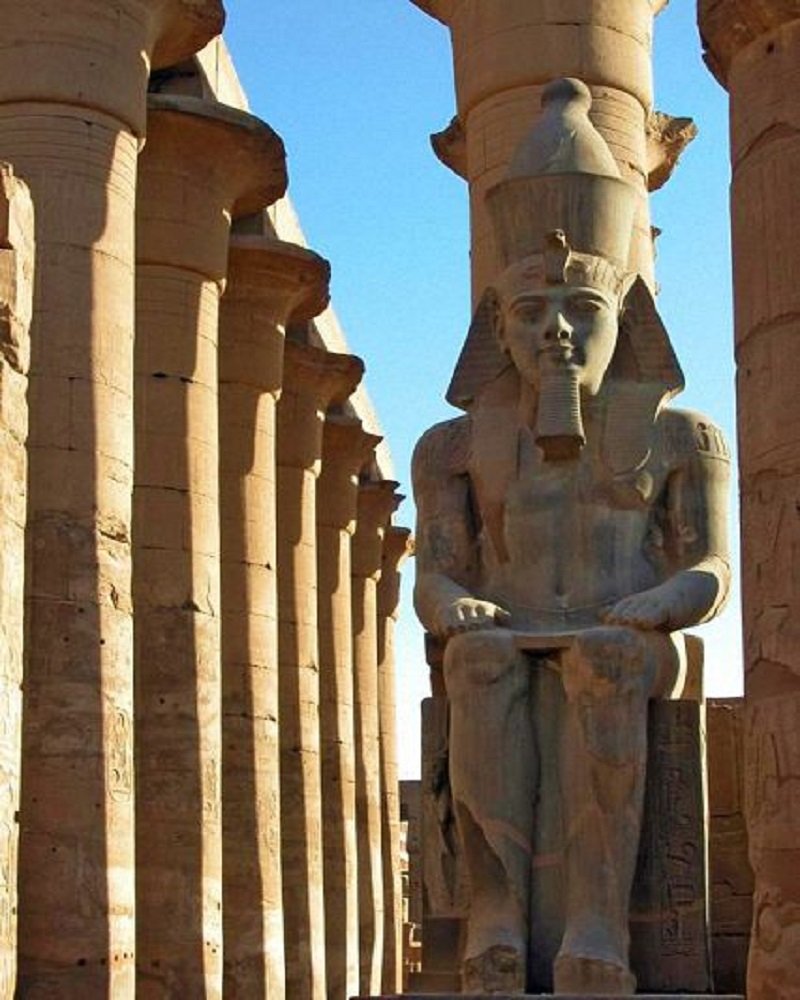
Located in Upper Egypt along the Nile, Luxor holds the highest concentration of preserved monumental architecture in the ancient world. The city is geographically divided by the river into the East Bank and the West Bank.
-
The West Bank: The realm of the dead where ancient pharaohs were buried in secret rock-cut tombs to protect their treasures. Must-see sites include the Valley of the Kings (including the tombs of Tutankhamun and Seti I), the Mortuary Temple of Hatshepsut at Deir el-Bahari, and the towering Colossi of Memnon.
-
The East Bank: The city of the living, dominated by the sprawling Karnak Temple Complex—the largest religious complex ever constructed—and Luxor Temple, which is illuminated for evening walking tours.
-
Sunrise Hot Air Ballooning: Floating over the West Bank at dawn offers an unparalleled perspective of the dramatic line where the lush green Nile agricultural fields meet the barren limestone desert cliffs.
4. Aswan: Nubian Culture and Timeless Nile Landscapes
Further south, Aswan moves at a much slower, tranquil pace. The Nile here is exceptionally clean, weaving through massive dark granite boulders, lush botanical islands, and golden sand dunes.
-
Philae Temple: Dedicated to the goddess Isis and rescued from rising reservoir waters by UNESCO, this island temple is accessed via wooden motorboat.
-
Abu Simbel Day Excursion: Located a 3.5-hour drive south of Aswan near the Sudanese border, the twin temples of Ramesses II and Queen Nefertari carved into the sandstone mountains are among Egypt's most awe-inspiring achievements.
-
Felucca Sailing & Nubian Villages: Hire a traditional canvas-sailed felucca for a sunset sail around Elephantine Island, or visit the colorful painted villages of West Suhail to learn about traditional Nubian music, food, and culture.
5. Dahab & South Sinai: World-Class Diving and Desert Escapes
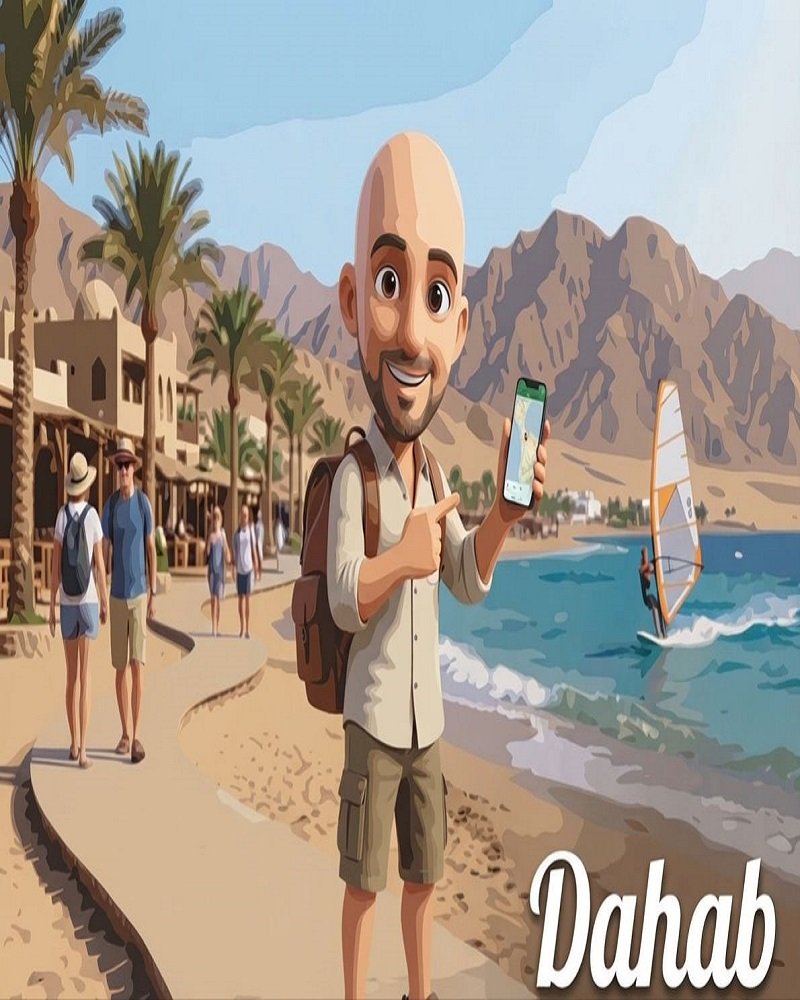
For travelers looking to escape crowds and explore marine environments, the Sinai Peninsula is unrivaled. Dahab, located along the Gulf of Aqaba, has transformed from a sleepy Bedouin fishing village into an international capital for scuba diving, freediving, and windsurfing.
-
The Blue Hole & Canyon: Globally renowned dive and snorkel spots featuring dramatic submarine drop-offs and vibrant coral gardens.
-
Desert Wadis & Mount Sinai: Trek into the Colored Canyon, embark on overnight Bedouin desert campouts featuring slow-cooked Zarb feasts, or hike Mount Sinai at night to catch the sunrise over Saint Catherine’s Monastery.
How to Get Around Egypt: Domestic Transport Guide
Connecting Egypt’s distant regions requires choosing between speed, comfort, and budget.
[Cairo Entry Hub]
       │
       ├──✈️ 1-Hour Domestic Flight ────────► [Luxor / Aswan / Red Sea]
       │
       ├──🚆 Sleeping / Express Train ─────► [Upper Egypt (Nile Valley)]
       │
       └──🚌 Deluxe Intercity Coach ──────► [Alexandria / Sinai / Coastal Hubs]
1. Domestic Flights (EgyptAir & Air Cairo)
For travelers with limited time, domestic flights are the most efficient option. State carrier EgyptAir and regional operators like Air Cairo run frequent daily flights between Cairo (CAI) and Luxor (LXR), Aswan (ASW), Hurghada (HRG), and Sharm El Sheikh (SSH). Flight times are short (typically 60 to 80 minutes), saving hours compared to overland desert roads.
2. Trains: The Nile Valley Railway
The classic train route runs along the Nile corridor connecting Cairo, Luxor, and Aswan.
-
Special VIP / Express Trains: Air-conditioned daytime express trains provide comfortable seating for the 3-hour journey from Cairo north to Alexandria, or the longer day journeys south.
-
Sleeper Trains (Ernst): Foreign tourists frequently book the overnight deluxe sleeper train from Cairo (Ramses Station) to Luxor or Aswan. Private two-berth cabins include fold-down bunks, dinner, and breakfast, offering a scenic and functional way to travel south without paying for a hotel night.
3. Intercity Buses & Private Transfers
-
Intercity Buses (Go Bus): For coastal travel between Cairo, Alexandria, Hurghada, and Dahab, Go Bus operates modern, air-conditioned executive coaches. Their higher-tier classes (Elite Plus and Aero Class) feature reclining seats, individual entertainment screens, and Wi-Fi.
-
Private Drivers: For short intercity routes—such as Cairo to Alexandria or Hurghada to Luxor—hiring an authorized private vehicle through a reputable agency provides door-to-door flexibility to stop at roadside viewpoints and smaller monuments along the route.
4. City Transport: Uber, Careem, and Local Taxis
In major metropolitan centers like Cairo and Alexandria, use rideshare apps (Uber and Careem) instead of flagging street taxis. Rideshare apps eliminate language barriers, set fixed pricing upfront, provide GPS navigation, and remove the need to negotiate fares. In regional towns like Dahab or Aswan where rideshare apps do not operate, agree upon the taxi fare before stepping into the vehicle.
Recommended 7-Day & 10-Day Egypt Itineraries
Here are two balanced routes designed to optimize travel time without causing transit fatigue.
The Classic 7-Day "Highlights of the Pharaohs" Itinerary
-
Days 1–2: Cairo & Giza
-
Day 1: Arrive in Cairo, settle in, explore the Egyptian Museum in Tahrir and Khan el-Khalili bazaar.
-
Day 2: Early morning visit to the Pyramids of Giza, the Great Sphinx, and the Saqqara Step Pyramid. Evening flight to Luxor.
-
-
Days 3–4: The Wonders of Luxor
-
Day 3: Sunrise hot air balloon ride. Explore the Valley of the Kings, Hatshepsut Temple, and the Colossi of Memnon.
-
Day 4: Morning exploration of Karnak and Luxor temples. Board an afternoon train or scenic Nile cruise to Aswan.
-
-
Days 5–6: Aswan & Abu Simbel
-
Day 5: Morning boat excursion to Philae Temple; afternoon felucca sail around Elephantine Island.
-
Day 6: Early morning excursion to the massive temples of Abu Simbel. Fly back to Cairo in the evening.
-
-
Day 7: Cairo Departure
-
Tour the Citadel of Saladin and Coptic Cairo before transferring to Cairo International Airport for your flight home.
-
The 10-Day "Culture & Coast" Itinerary
-
Days 1–3: Cairo, Giza, and Saqqara (plus a day excursion to Mediterranean Alexandria).
-
Days 4–6: Domestic flight to Luxor. Tour East and West Banks; take a day cruise to Kom Ombo and Edfu.
-
Days 7–9: Transfer via private car or domestic flight to Dahab or Hurghada. Spend 3 days scuba diving, snorkeling world-class coral reefs, kite surfing, and enjoying Bedouin desert dinners under the stars.
-
Day 10: Fly from Sharm El Sheikh or Hurghada back to Cairo for international flight connections.
Safety, Etiquette, and Cultural Norms
Egypt is generally a safe and hospitable destination for international tourists, but respecting local cultural customs ensures comfortable interactions throughout your stay.
Dress Codes and Modesty
While beach resort towns like Dahab and Hurghada are casual and western swimwear is normal around private resort pools and beaches, mainland cities like Cairo, Alexandria, Luxor, and Aswan remain socially conservative.
-
For Men and Women: Keep shoulders and knees covered when walking through downtown markets, residential neighborhoods, and rural villages. Lightweight, breathable linen or cotton garments (long pants, maxi skirts, and loose shirts) protect your skin from the intense sun while respecting local sensibilities.
-
Visiting Active Mosques: Women must cover their heads with a lightweight scarf and wear ankle-length clothing with long sleeves. Both men and women must remove their shoes before stepping onto mosque carpets.
Dealing with Touts and Street Vendors
Around major tourist hubs like the Giza Plateau, Luxor’s West Bank, and the Khan el-Khalili market, street vendors, camel handlers, and unofficial "guides" can be persistent.
-
A firm, polite "La, Shukran" (Arabic for "No, thank you") spoken while continuing to walk and avoiding direct eye contact is usually enough to deter pushy touts.
-
Avoid taking photos of camels, horses, or local shopkeepers unless you have agreed on a tip or purchase beforehand, as a request for payment will often follow.
-
Do not accept "free gifts," small alabaster trinkets, or papyrus bookmarks handed to you; handing them back immediately and politely walking away avoids unwanted payment disputes.
What to Eat in Egypt: Traditional Dishes You Must Try
Egyptian cuisine relies on fresh legumes, fragrant herbs, grilled meats, and freshly baked bread (Eish Baladi).
-
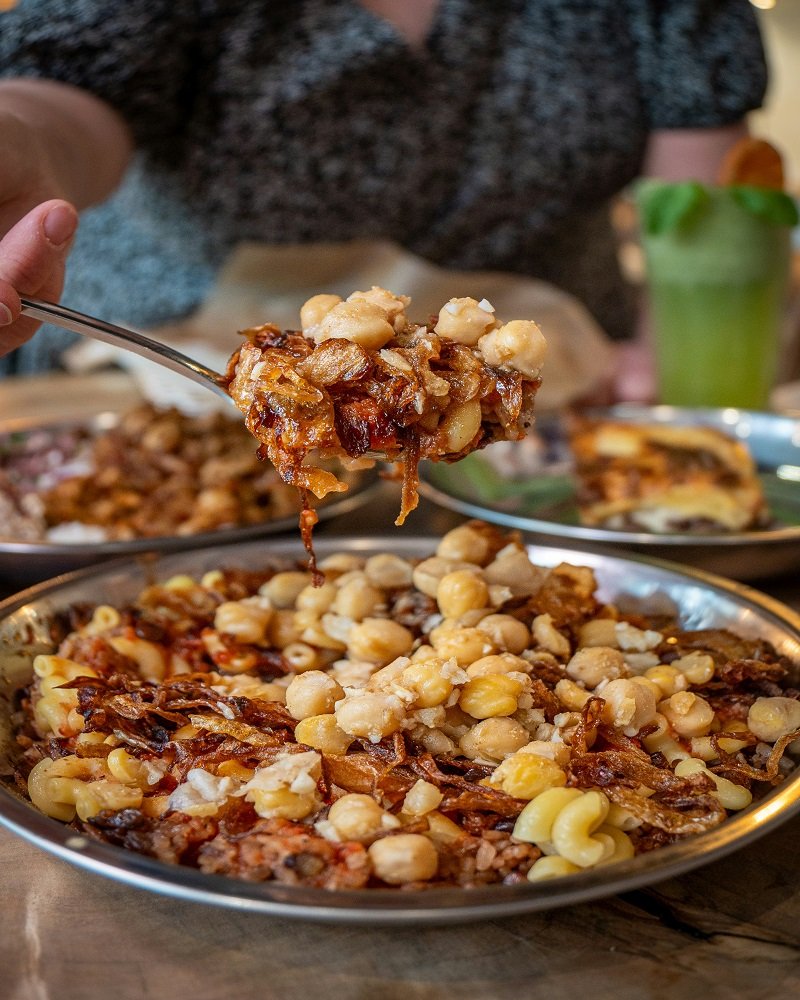
Koshary: Egypt’s beloved national street food dish. A hearty, comforting bowl composed of rice, lentils, macaroni, and chickpeas, topped with spicy tomato sauce, garlic vinegar (da'ah), and crispy fried onions.
-
Ta'ameya (Egyptian Falafel): Unlike Levantine falafel made with chickpeas, Egyptian ta'ameya is made with crushed fava beans and fresh herbs (dill, parsley, coriander), resulting in a bright green interior and an exceptionally crisp, airy texture.
-
Ful Medames: Slow-cooked fava beans stewed with olive oil, cumin, garlic, and fresh lemon juice, eaten hot with fresh pocket bread. It serves as the cornerstone of traditional Egyptian breakfasts.
-
Shawarma & Mixed Grill: Marinated cuts of beef or chicken carved fresh from vertical spits, or charcoal-grilled skewers of shish taouk (chicken) and kofta (seasoned minced meat) served alongside tahini and pickles.
-
Mahshi: Tender vegetables (zucchini, bell peppers, eggplant, and cabbage leaves) stuffed with a savory mixture of seasoned rice, tomato sauce, onions, and fresh herbs.
Recommended Travel Resources & Bookings
To streamline your trip planning, use these trusted platforms for reliable bookings:
-
Intercity Transport & Trains: Search routes, train schedules, and reserve regional coach seats through 12Go.
-
Hotels & Accommodations: Compare verified guest reviews, boutique guesthouses, and resort deals across Egypt on Agoda.
-
Guided Tours & Day Excursions: Book skip-the-line museum tickets, hot air balloon flights, and certified Egyptologist tour guides via GetYourGuide.
-
Car Rentals & Private Transfers: Compare verified fleet rates for private transfers and airport pickups with DiscoverCars.
Final Planning Checklist for Egypt
Before heading to the airport, run through this quick checklist to make sure your travel logistics are fully in order:
-
Passport Validity: Verify your passport has at least 6 months of validity remaining beyond your planned departure date.
-
Visa Documentation: Print hard copies of your approved eVisa confirmation letter or keep exact USD cash ($25 bills) for Visa on Arrival.
-
Emergency Cash: Carry $150 to $300 in crisp, unfolded USD or EUR bills as emergency backup funds to exchange if local ATMs experience temporary network outages.
-
Adapter Plug: Egypt uses European-style Type C and Type F wall plugs running on 220V electricity; bring a universal travel adapter for your electronic devices.
-
Sun & Hydration Protection: Pack high-SPF sunscreen, polarized sunglasses, a wide-brimmed sun hat, and electrolyte powder packets. Drink only bottled or filtered water throughout your trip to avoid digestive issues.