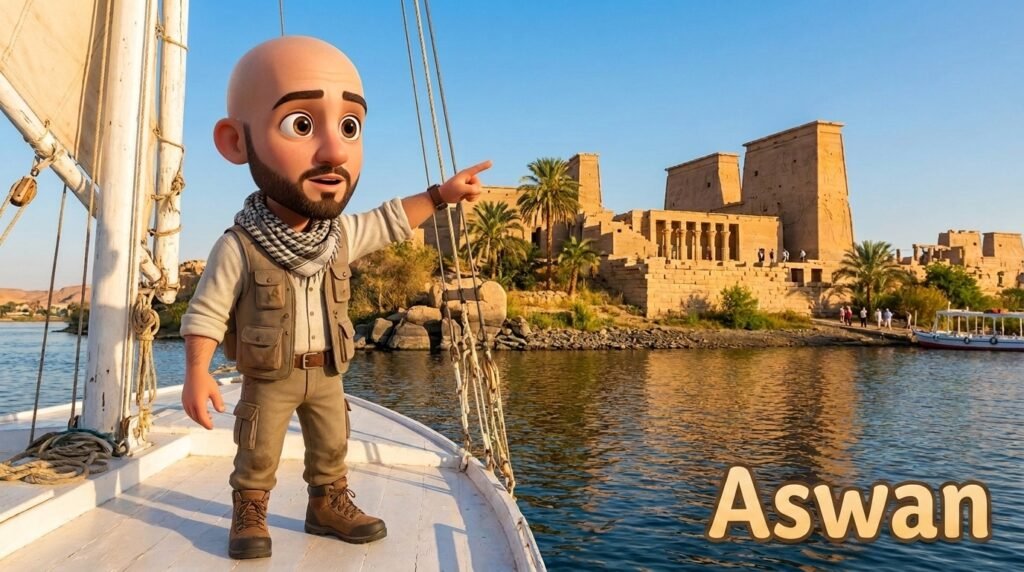
Aswan stands as the undisputed jewel of Southern Egypt, where the Nile River flows through ancient granite boulder formations, creating a striking contrast against golden desert sand dunes. Located at the historic southern frontier of Pharaonic Egypt, this enchanting river city offers visitors a dramatically different experience than the fast-paced energy of Cairo or the dense archaeological monuments of Luxor. When travelers arrive in this sunny sanctuary, they immediately feel a serene rhythm dictated by the gentle currents of the Nile and the warm hospitality of the indigenous Nubian community.
Because Aswan enjoys year-round sunshine, vibrant open-air markets, and extraordinary UNESCO World Heritage monuments, it continuously ranks among the top travel destinations in North Africa. Historically, this location served as a vital trading gateway connecting Ancient Egypt with sub-Saharan Africa. Consequently, the city absorbed diverse artistic, architectural, and culinary traditions over thousands of years. Today, this rich destination captivates history enthusiasts, luxury seekers, and independent backpackers alike. Whether you plan to sail across the Nile on a traditional wooden felucca or explore monumental sanctuaries carved into sandstone cliffs, this comprehensive Aswan travel guide provides every essential detail required to plan a seamless journey through Egypt’s south.
💡 Editor's Recommendation Box
To ensure the best travel experience and save money during your trip to Egypt, we recommend using the following verified booking platforms:
-
✈️ Book flights: Get the best deals and transport options via 12go.
-
🏨 Best hotel prices: From luxury Nile view resorts to local guest houses, book via Agoda.
-
🚗 Car rental: Rent cheap cars and secure reliable transport via DiscoverCars.
-
🎟️ Tours and activities: Book guided historic site tours and Nile river trips via GetYourGuide.
Why Visit Aswan?
Travelers frequently wonder why they should include Southern Egypt in their itinerary alongside iconic sites like the Pyramids of Giza. The answer lies in the unique atmosphere of the city. While northern destinations present magnificent history surrounded by modern urban expansion, Aswan preserves an authentic sense of timeless natural beauty. Here, the Nile River reaches its most picturesque stretches, dotted with emerald islands, granite islets, and traditional white sails catching the warm desert breeze.
Furthermore, visiting this region allows travelers to experience authentic Nubian heritage. The Nubian people possess a distinct culture, language, architectural style, and culinary tradition that set them apart from northern Egyptian populations. Therefore, spending time in local villages offers rich human connections that elevate a standard vacation into a transformative cultural journey. In addition, the region houses some of the most technologically remarkable preservation projects in human history, such as the relocated Philae Temple and Abu Simbel complexes. Ultimately, if you seek a perfect blend of ancient monuments, peaceful river cruises, and vibrant African traditions, this destination remains an absolute necessity for your itinerary.
Major Cities & Regions of the Aswan Governorate
The Aswan Governorate encompasses several distinct geographical zones and administrative districts along the Nile Valley:
-
Aswan City Center (East Bank): The bustling urban core contains the primary tourist corniche, railway station, vibrant local souks, commercial banks, and historical hotels.
-
Elephantine Island & Kitchener’s Island: Nestled directly in the middle of the river, these islands showcase tranquil Nubian settlements, organic gardens, and ancient archaeological ruins away from traffic.
-
West Bank: Characterized by towering yellow sand dunes, ancient rock-cut tombs, and traditional village settlements overlooking the river landscape.
-
Kom Ombo & Edfu (Northern Region): Located along the highway toward Luxor, these river towns house magnificent Ptolemaic temples that travelers regularly visit on day tours.
-
Abu Simbel (Southern Border Region): Positioned near the Sudanese border along Lake Nasser, this remote town serves as the gateway to Ramesses II’s famous sun temples.
Top Tourist Attractions & Landmarks
The archaeological landscape of Upper Egypt offers some of the most intact ancient monuments in the world. Visitors can easily arrange guided excursions to these iconic sights using trusted booking platforms like GetYourGuide.
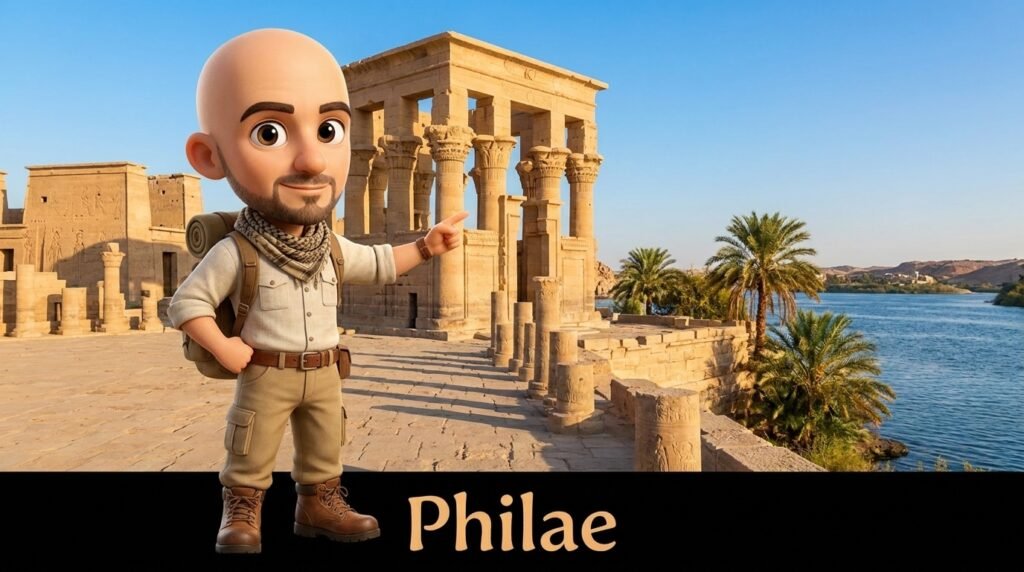
Philae Temple Complex
Dedicated to the goddess Isis, the Philae Temple stands as one of the most breathtaking monuments in Egypt. Because the original island flooded after the construction of the early Nile dams, UNESCO meticulously dismantled and relocated the entire stone structure to nearby Agilkia Island in the 1970s. Visitors take a short motorboat ride across Lake Nasser to reach the complex, where impressive relief carvings depict ancient mythology and Ptolemaic history.
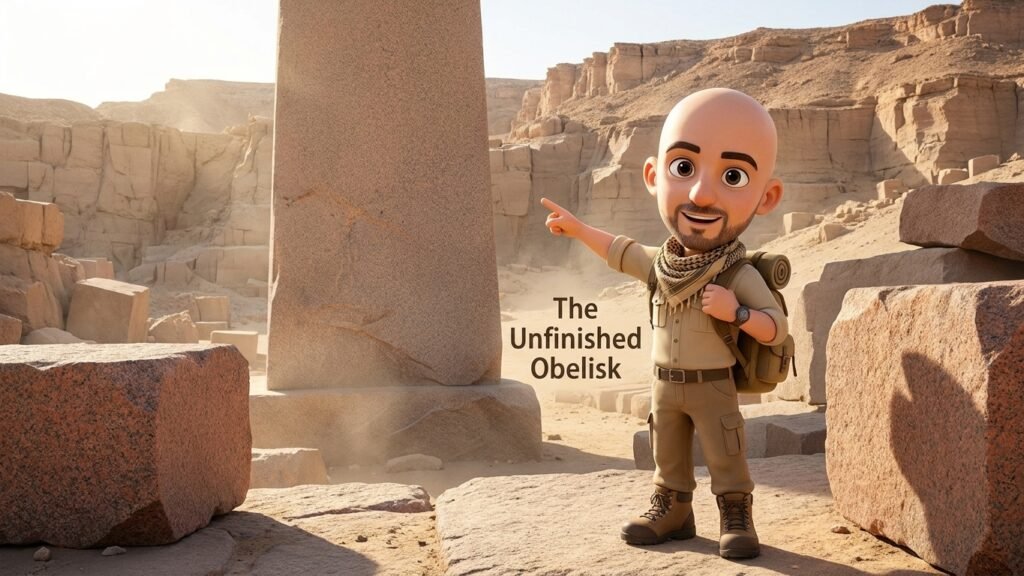
The Unfinished Obelisk
Located in an ancient granite quarry in the heart of the city, this massive stone carved during the reign of Queen Hatshepsut provides fascinating insight into ancient engineering techniques. If workers had successfully detached it from the bedrock, it would have stood as the largest obelisk in antiquity, weighing over 1,000 tons. However, when cracks appeared in the stone, workers abandoned the project, leaving a remarkable historical footprint.
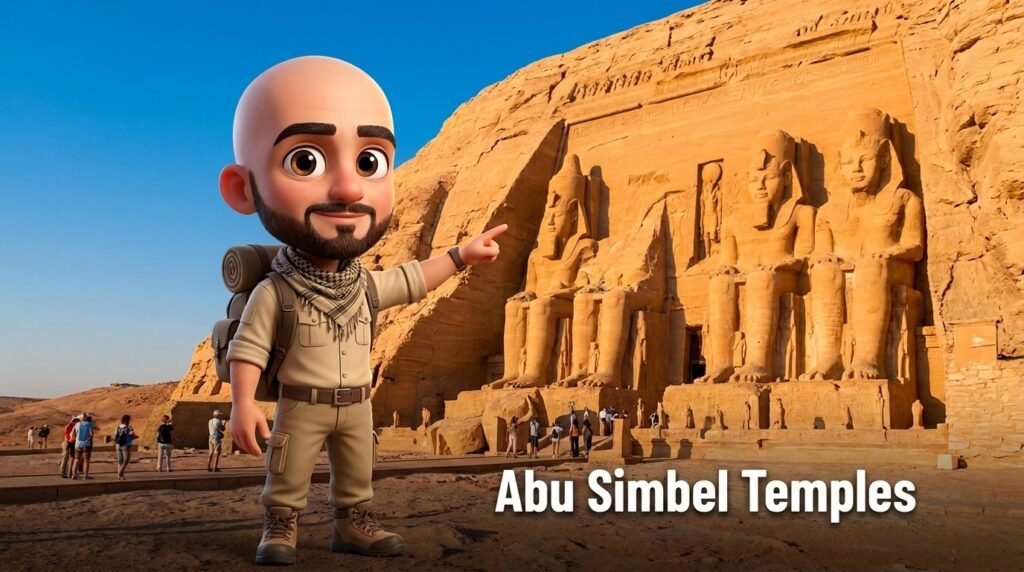
Abu Simbel Temples
Although located roughly 280 kilometers south of the main city, the Abu Simbel temples remain an absolute highlighting experience for any Aswan travel guide. Carved directly into sandstone mountain cliffs by Pharaoh Ramesses II, the twin temples feature four massive 20-meter statues guarding the entrance. Like Philae, engineers relocated the entire mountain complex to save it from the rising waters of Lake Nasser.
Natural Attractions
Beyond its stone monuments, the natural landscape surrounding the southern Nile Valley mesmerizes travelers with its rare desert ecosystems and river scenery:
-
The First Cataract of the Nile: Historically marking the southern boundary of Egypt, these granite rock formations force the river into narrow, rapid channels filled with diverse aquatic life and migratory bird species.
-
Kitchener's Island (Aswan Botanical Garden): Lord Kitchener transformed this entire river island into a botanical paradise in the late 19th century, importing exotic trees, palms, and rare flowering plants from across Asia and sub-Saharan Africa.
-
Lake Nasser: As one of the largest artificial lakes globally, this huge body of water stretches across vast desert landscapes, offering peaceful environment for crocodile watching, fishing excursions, and remote boat cruises.
-
West Bank Sand Dunes: High desert dunes slope directly into the turquoise waters of the Nile, creating dramatic opportunities for sunset photography, camel trekking, and sandboarding.
Cultural & Historical Highlights
+-------------------------------------------------------------------------------+
|                        ASWAN CULTURAL HIGHLIGHTS MATRIX                       |
+---------------------+-----------------------------------+---------------------+
| Cultural Component  | Key Features                      | Visitor Experience  |
+---------------------+-----------------------------------+---------------------+
| Nubian Heritage     | Colorful houses, distinct language| Authentic village   |
|                     | and artistic traditions           | walks & home dining |
+---------------------+-----------------------------------+---------------------+
| Pharaonic Quarrying | Ancient stone cutting techniques  | Interactive tour at |
|                     | for obelisks and statues          | Unfinished Obelisk  |
+---------------------+-----------------------------------+---------------------+
| Coptic & Islamic    | Historic monasteries, mosques,    | Architecture tours  |
| Architecture        | and old city markets              | in downtown city    |
+---------------------+-----------------------------------+---------------------+
The human history of this region reflects centuries of peaceful co-existence and artistic development. The Nubian Museum, situated near the city center, showcases thousands of artifacts documenting the history, crafts, and salvage operations of the Nubian region before the creation of Lake Nasser. In addition, walking through local villages like Siou and Koti on Elephantine Island reveals traditional mud-brick houses painted in brilliant shades of blue, yellow, and red. Visitors quickly discover that local residents preserve traditional customs, music, and handicrafts, offering deep insights into authentic river life.
Best Things to Do & Experiences
                           ASWAN TRAVEL EXPERIENCE PATHWAY
                                          │
       ┌──────────────────────────────────┼──────────────────────────────────┐
       ▼                                  ▼                                  ▼
[ ⛵ Nile River Sailing ]        [ 🏛️ Historic Temples ]       [ 🛍️ Local Markets ]
       │                                  │                                  │
  • Felucca at Sunset              • Philae & Abu Simbel             • Aswan Souk Shopping
  • Motorboat to Islands           • Tombs of the Nobles             • Spice & Tea Tasting
-
Sail on a Traditional Felucca: Boarding a wooden sail boat during golden hour represents the classic river activity. Because these boats rely entirely on natural wind power, you glide silently past ancient ruins and granite boulders.
-
Explore the Aswan Bazaar (Old Souk): Running parallel to the river, this vibrant pedestrian market sells high-quality spices, hibiscus tea (karkadeh), Nubian woven baskets, leather goods, and traditional perfumes.
-
Visit the Tombs of the Nobles: Climb the carved stone staircases on the West Bank to explore Old and Middle Kingdom cliff tombs adorned with remarkably preserved painted hieroglyphs.
-
Enjoy High Tea at the Old Cataract Hotel: Experience historic luxury by sitting on the famous terrace where Agatha Christie wrote Death on the Nile, watching the sun dip behind desert dunes.
Local Cuisine & Food Culture
Food culture along the southern Nile combines traditional Egyptian staples with rich Nubian flavors and freshwater fish preparations. Because the city sits along major historical spice trade routes, local dishes feature aromatic cumin, coriander, cinnamon, and hibiscus:
-
Freshwater Nile Fish: Local restaurants serve freshly caught tilapia and catfish grilled over charcoal with garlic, lemon, and regional spices.
-
Karkadeh (Hibiscus Tea): Served boiling hot in small glasses or icy cold over crushed ice, this tangy herbal infusion serves as the official welcome drink of Upper Egypt.
-
Nubian Shamsi Bread: A thick, sourdough flatbread fermented under the warm desert sun before baking in traditional clay ovens, producing a soft interior and crispy crust.
-
Ful Medames & Tagines: Fava beans slow-cooked with olive oil and spices alongside slow-cooked vegetable tagines served in earthenware pots.
Best Time to Visit
Because Southern Egypt experiences an arid desert climate, temperature variations between winter and summer remain substantial:
-
Peak Winter Season (November to February): Ideal conditions for sightseeing. Daytime temperatures range between 20°C and 25°C (68°F–77°F), featuring clear blue skies and cool evening breezes. However, hotel accommodation prices reach peak rates during this period.
-
Shoulder Seasons (March–April & September–October): Excellent choices for budget-conscious travelers. Warm temperatures remain manageable for early morning temple excursions, while crowds decrease significantly.
-
Summer Season (May to August): Extremely hot conditions, with daily temperatures frequently exceeding 40°C (104°F). Sightseeing becomes challenging during midday, though luxury hotels offer steep discounts.
Accommodation Options
Finding comfortable lodging forms an essential part of any successful Aswan travel guide. Travelers can easily book verified properties using platforms like Agoda to secure competitive rates.
+------------------------------------------------------------------------------------+
|                         RECOMMENDED HOTEL ACCOMMODATIONS                           |
+-------------------+-----------------------------------+----------------------------+
| Category          | Recommended Property              | Highlights                 |
+-------------------+-----------------------------------+----------------------------+
| Luxury            | Sofitel Legend Old Cataract       | Historic Victorian luxury  |
|                   | Mövenpick Resort Aswan            | Island panoramic views     |
|                   | Tolip Hotel Aswan                 | Riverfront resort amenities|
+-------------------+-----------------------------------+----------------------------+
| Mid-Range         | Basma Hotel Aswan                 | Hilltop city panoramas     |
|                   | Pyramisa Island Hotel             | Central river location     |
|                   | Obelisk Nile Hotel                | Riverside garden views     |
+-------------------+-----------------------------------+----------------------------+
| Budget / Guesthouse| Kato Dool Nubian Resort          | Colorful cultural stays    |
|                   | Golden Nubian Guesthouse          | Authentic local atmosphere |
|                   | Orchida St. George Hotel          | Central budget town stays  |
+-------------------+-----------------------------------+----------------------------+
Luxury Options
-
Sofitel Legend Old Cataract Aswan: Legendary Victorian palace hotel offering high-end service, historic suites, and panoramic river views.
-
Mövenpick Resort Aswan: Located on Elephantine Island, providing spacious modern rooms, private gardens, and elevated dining venues.
-
Tolip Hotel Aswan: Modern riverfront resort featuring extensive swimming pools, health clubs, and family-friendly accommodations.
Mid-Range Options
-
Basma Hotel Aswan: Positioned on the highest hill in the city, offering high-value rooms surrounded by curated gardens.
-
Pyramisa Island Hotel: Situated on a private river island, providing spacious rooms, outdoor pools, and easy boat transfers.
-
Obelisk Nile Hotel: Centrally located hotel featuring direct waterfront access and comfortable amenities for families.
Budget & Guesthouse Options
-
Kato Dool Nubian Resort: Brightly decorated guesthouse on the West Bank showcasing traditional architectural motifs.
-
Golden Nubian Guesthouse: Friendly family-run lodging on Elephantine Island featuring home-cooked meals.
-
Orchida St. George Hotel: Affordable downtown option close to the main train station and local markets.
Transportation & Getting Around
Navigating this region proves remarkably straightforward once travelers understand the available transit modes. For regional ground transportation or self-drive rentals across Egypt, platforms like DiscoverCars provide convenient vehicles, while long-distance transport can be booked through 12go.
-
Feluccas & Motorboats: Ferries serve as the primary mode of transportation between the East Bank, West Bank, and river islands. Public ferries charge nominal fees, while private motorboats can be hired for customized trips.
-
Taxis & Ride-Hailing: Traditional blue-and-white taxis operate throughout the city. Always agree on the fare prior to starting your journey, as drivers rarely use meters.
-
Train Travel: The Egyptian National Railways connects Cairo, Luxor, and southern cities daily via comfortable sleeper trains and express passenger cars.
-
Domestic Flights: Aswan International Airport (ASW) sits roughly 25 kilometers south of town, providing rapid flight connections to Cairo and regional destinations.
Travel Costs & Budget Planning
Planning your daily expenses helps ensure a smooth holiday without unexpected financial stress. Below is an estimated breakdown of average traveler costs:
+-------------------------------------------------------------------------------+
|                           DAILY BUDGET ESTIMATES (USD)                         |
+---------------------+-------------------+-------------------+-----------------+
| Expense Category    | Budget Traveler   | Mid-Range Traveler| Luxury Traveler |
+---------------------+-------------------+-------------------+-----------------+
| Accommodation       | $20 - $45         | $70 - $150        | $350 - $700+    |
| Meals & Drinks      | $10 - $20         | $25 - $50         | $80 - $160      |
| Transport & Ferries | $5 - $15          | $20 - $40         | $70 - $150      |
| Sightseeing Tickets | $15 - $30         | $35 - $70         | $80 - $150      |
| Daily Total         | $50 - $110        | $150 - $310       | $580 - $1,160+  |
+---------------------+-------------------+-------------------+-----------------+
Small cash payments in Egyptian Pounds (EGP) remain essential for tipping (baksheesh), purchasing souvenirs in local markets, and paying small boat operators. Major hotels and tour agencies accept credit cards, but smaller venues operate exclusively on cash.
Travel Tips & Safety
Egypt remains a safe and welcoming destination for foreign visitors. However, following basic practical guidelines ensures an optimal experience:
-
Dress Modestly: Respect local cultural norms by wearing lightweight clothing that covers shoulders and knees, especially when visiting local villages or religious sites.
-
Stay Hydrated: The dry desert air causes fast dehydration. Carry bottled water at all times and use sun protection, including wide-brim hats and sunscreen.
-
Negotiate Respectfully: Bargaining in markets and with private taxi drivers forms part of local commerce. Always maintain a polite, friendly attitude during price discussions.
-
Manage Tipping: Tipping represents a standard social convention across Egypt. Keeping small denomination bills accessible helps reward service providers, boat captains, and temple attendants appropriately.
Future Tourism Projects & Development
The Egyptian government continuously invests in infrastructure projects designed to improve traveler experiences in Upper Egypt:
-
Sustainable River Front Management: Ongoing urban upgrades along the main corniche expand pedestrian walkways, green spaces, and eco-friendly boat docks.
-
Eco-Tourism Initiatives in Nubian Villages: Sustainable tourism frameworks encourage local guesthouses to adopt solar energy generation and waste reduction practices, preserving local ecosystems.
-
Heritage Site Enhancements: Upgraded visitor centers, enhanced night lighting installations, and improved accessibility pathways continue to roll out across Philae Temple and nearby monuments.
Strategic Conclusion
Aswan represents far more than a simple stopover on an Egyptian itinerary; it serves as the soul of Southern Egypt. By combining world-class Pharaonic monuments with tranquil river landscapes and rich Nubian heritage, this destination offers an unmatched travel experience. Whether you glide across the Nile at sunset on a traditional felucca, marvel at the stone engineering of Abu Simbel, or stroll through vibrant market streets, the warmth of the region leaves an indelible mark on every traveler. Start planning your journey today using accredited platforms like 12go, Agoda, DiscoverCars, and GetYourGuide to secure an unforgettable adventure in Upper Egypt.
Disclaimer
The information in this travel guide is for general guidance and educational purposes only. Some details and prices may vary depending on the tourist season or local updates from relevant authorities. Therefore, it is always advisable to check official sources and accredited platforms before traveling to ensure the accuracy of information and proper planning of your trip. (Note: This article contains affiliate marketing links, which means we may receive a small commission if you purchase through them, at no additional cost to you whatsoever. This helps us continue to provide high-quality travel content.).